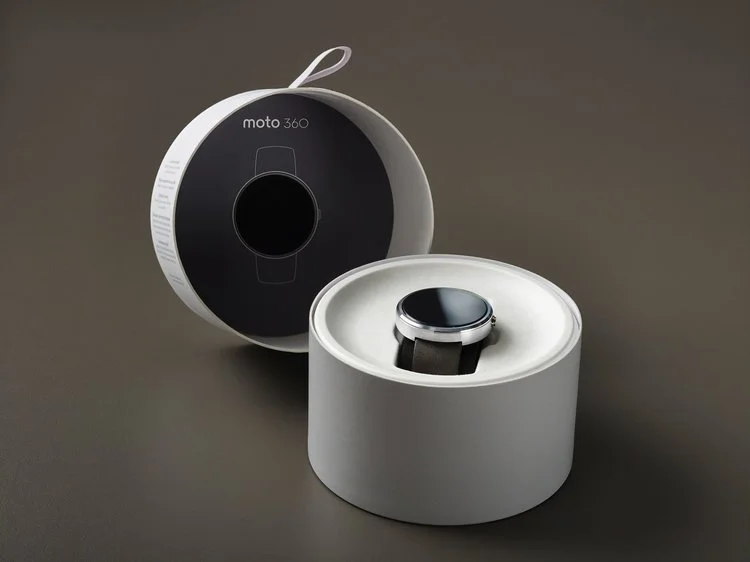
Moto 360 & Sport
Product CMF & Design Strategy
CMF Lead — Wearables / 2014-2015
Intro
Moto 360 introduced a new paradigm for smartwatches by bringing the familiarity of traditional timepieces into a nascent digital category. Across three generations—Moto 360 (1st Gen), Moto 360 (2nd Gen), and Moto 360 Sport—the program evolved a cohesive CMF language that balanced craftsmanship, comfort, and technology. Each iteration refined materials, finishes, and wearability, expanding the line from everyday lifestyle use into performance-driven contexts while maintaining a distinctly human-centered design approach.
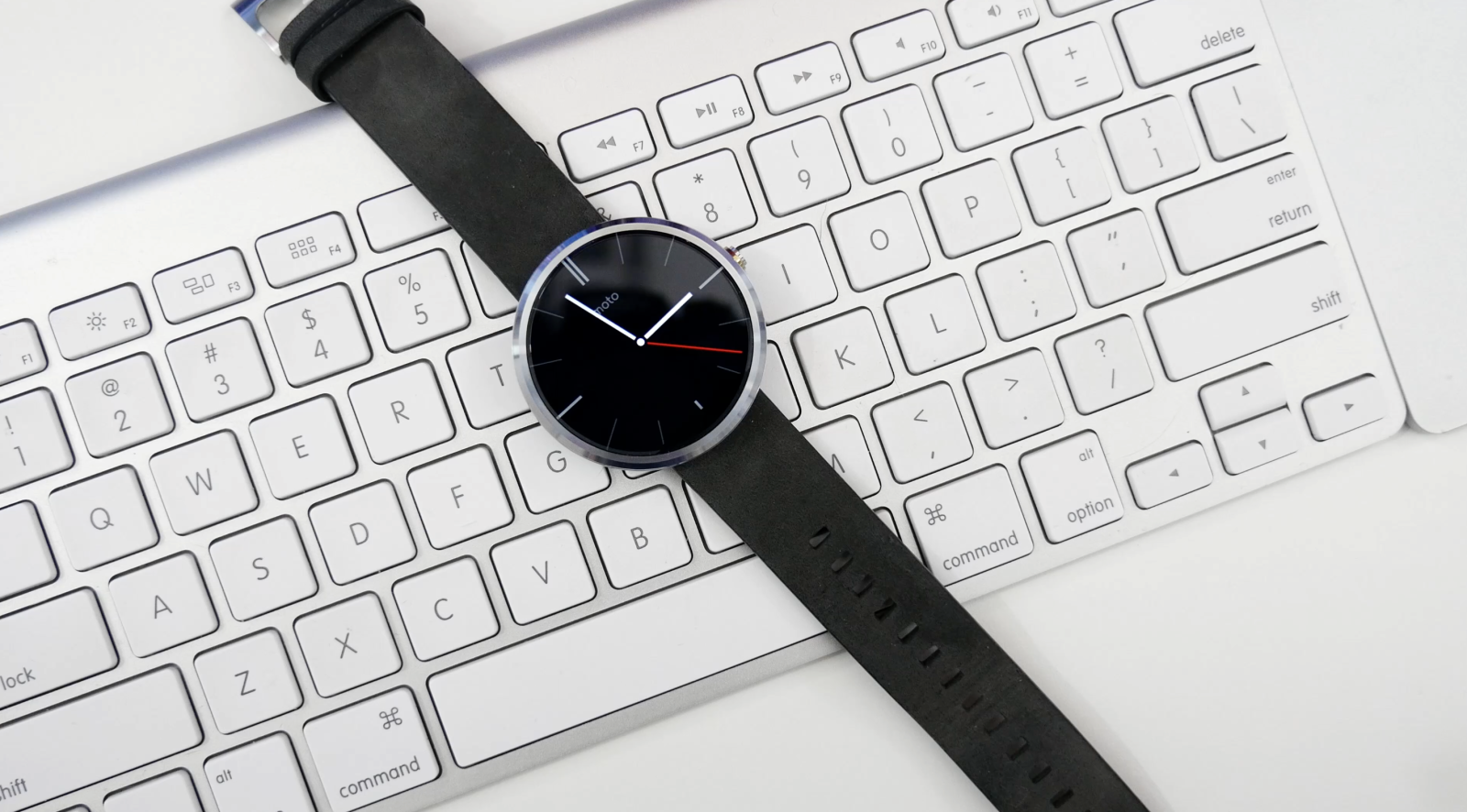
GOAL
Establish and evolve a CMF language for wearables that blends classic watchmaking cues with modern technology—creating smartwatches that feel personal, versatile, and appropriate across lifestyle and athletic use cases.
Challenge
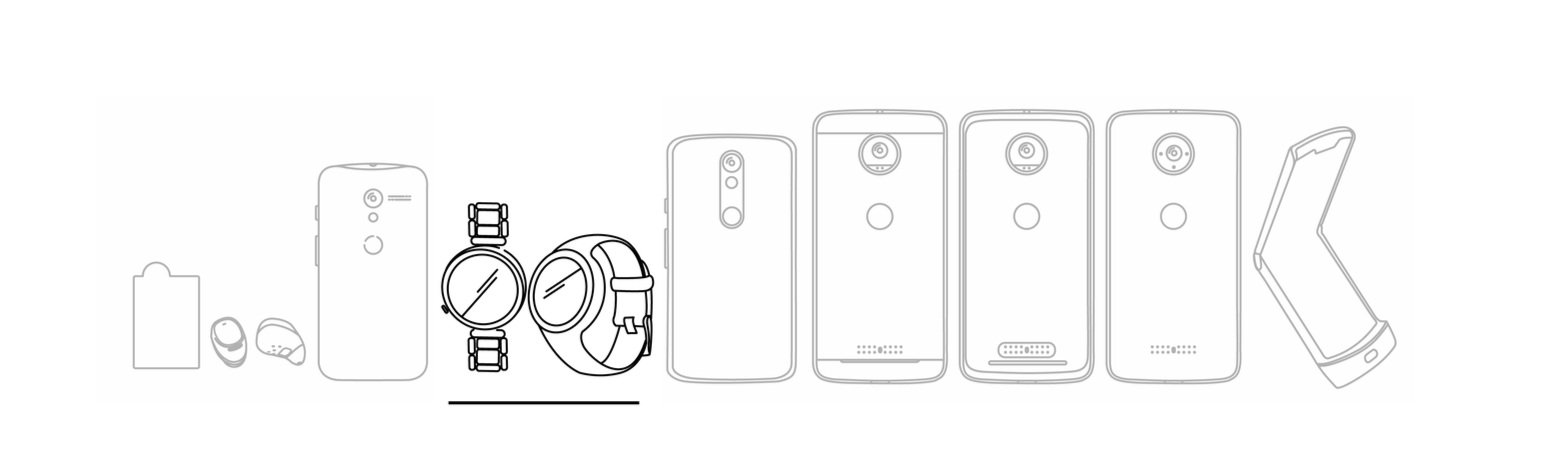
The challenge evolved with each generation.
Moto 360 (1st Gen) needed to define trust and emotional resonance in an unfamiliar category. Moto 360 (2nd Gen) focused on refinement, personalization, and expanded material options. Moto 360 Sport introduced new performance requirements—demanding lightweight materials, durability, and legibility—without breaking from the core Moto 360 design language.
Across all three, materials had to withstand constant skin contact, daily wear, and environmental exposure while accommodating sensors, antennas, and emerging wearable technologies.
Research & Strategy
CMF strategy drew from traditional horology, athletic equipment, and consumer electronics. Research included lifestyle and fitness user studies, benchmarking across analog watches and sports wearables, and extensive material testing for comfort, durability, and long-term wear.
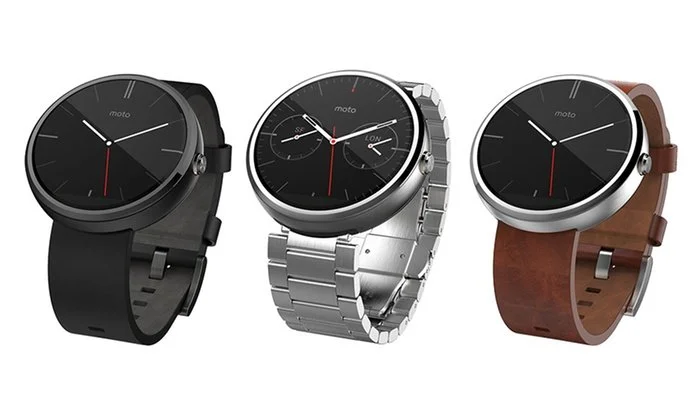
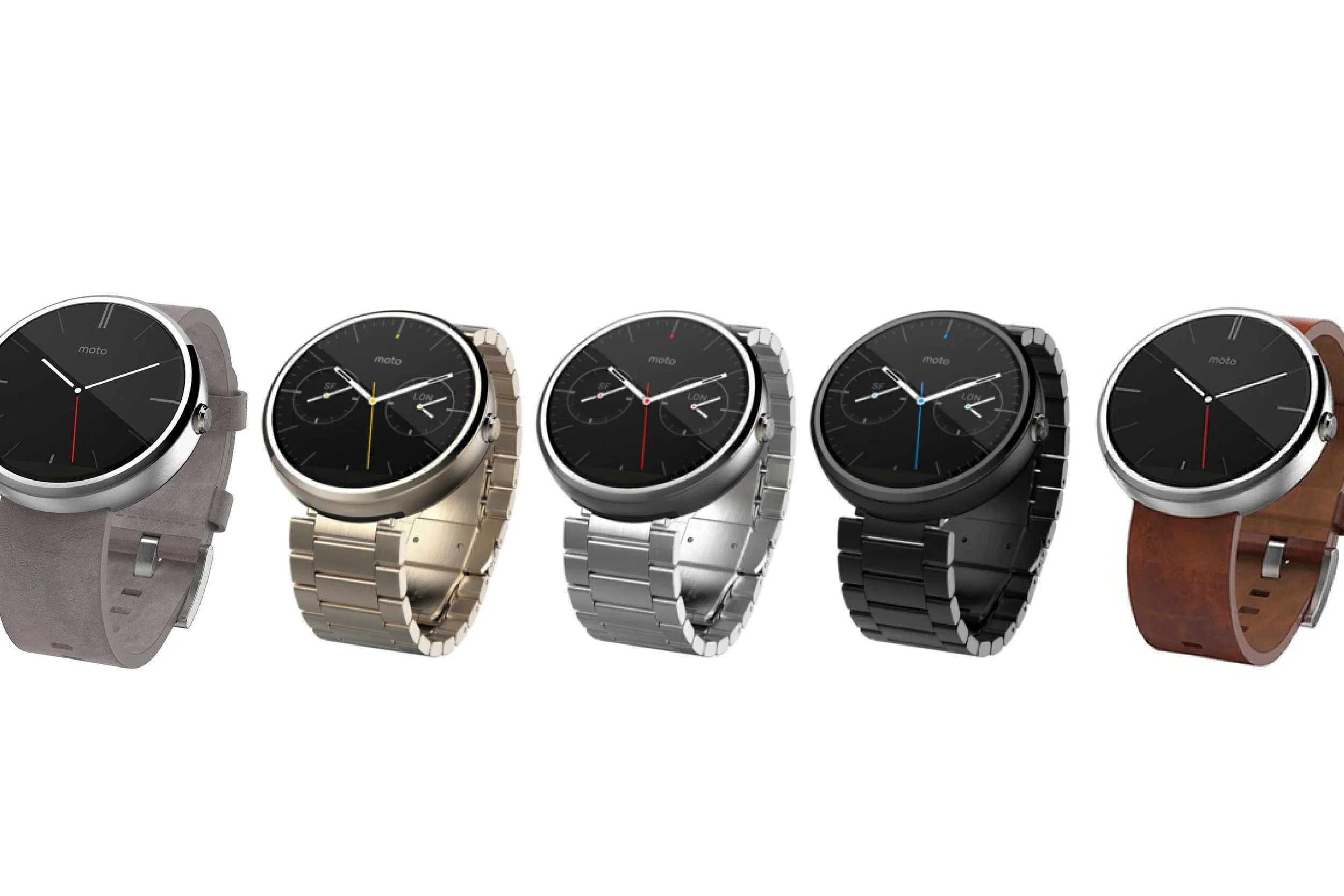
The circular form remained central to the strategy, serving as a unifying platform for material expression. Material palettes and finishes were adapted by generation—premium metals and leather for lifestyle models, and lightweight, performance-driven materials for Sport—while preserving visual cohesion across the family.
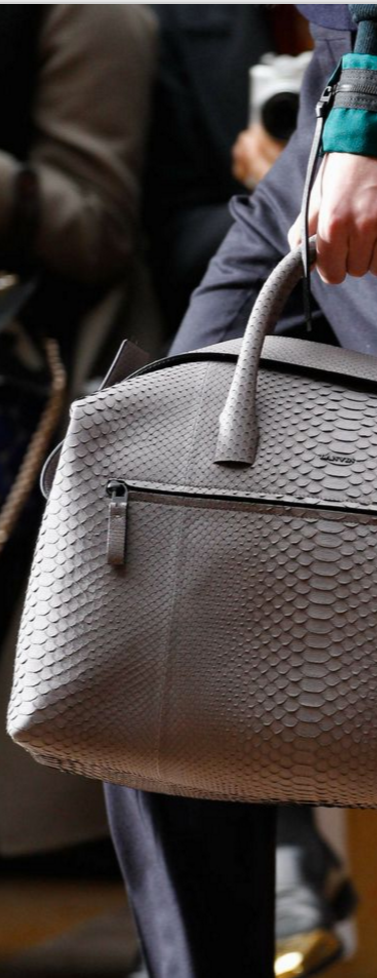


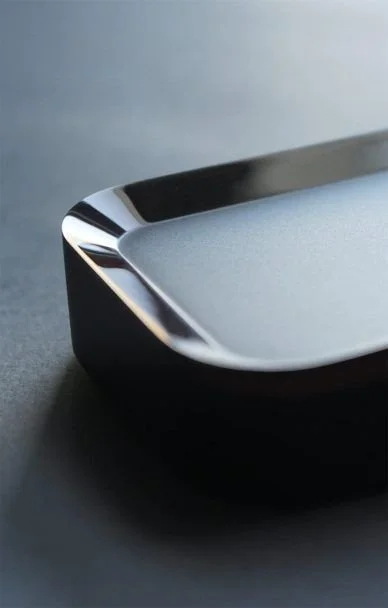
Balance the timeless aesthetic of heritage timepieces with a modern, restrained edge—creating a smartwatch that feels familiar yet forward-looking, designed for a youthful old soul.
Implementation & Collaboration

Partnered with Industrial Design, UX, Mechanical Engineering, Human-Factors, and Manufacturing teams across multiple product generations
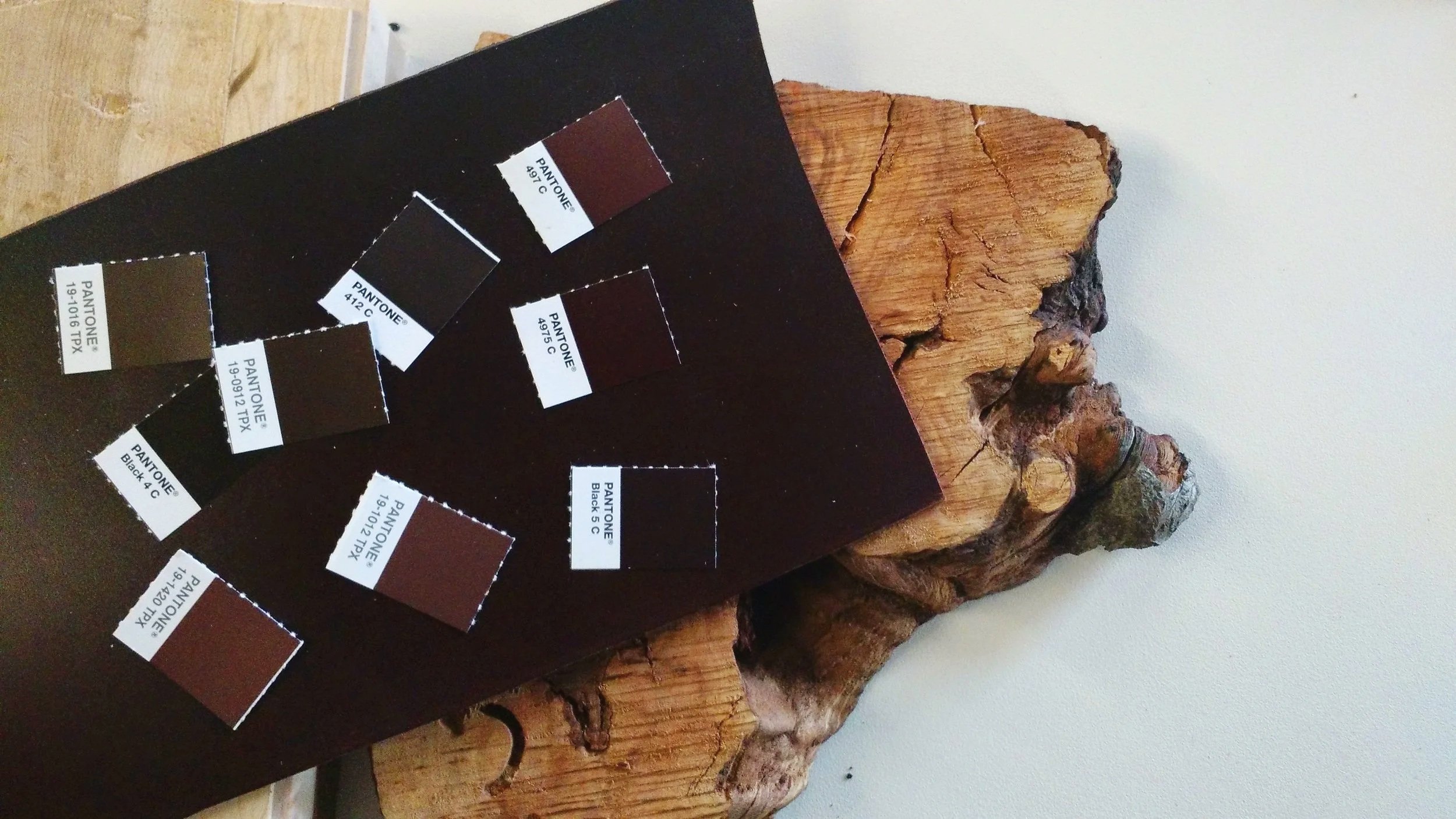
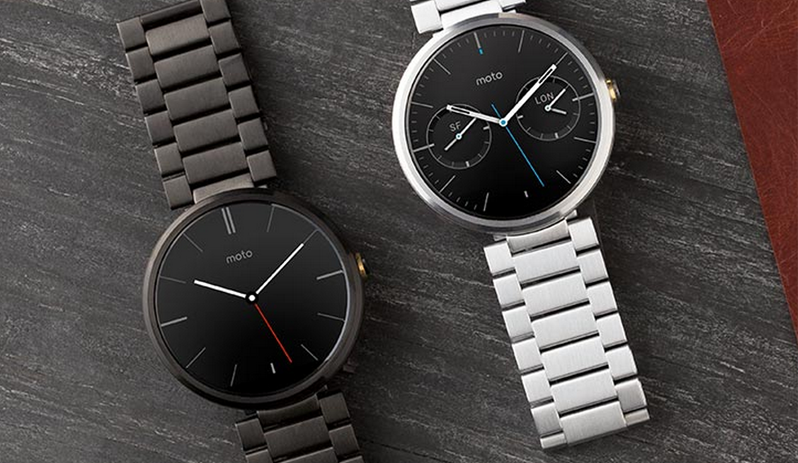
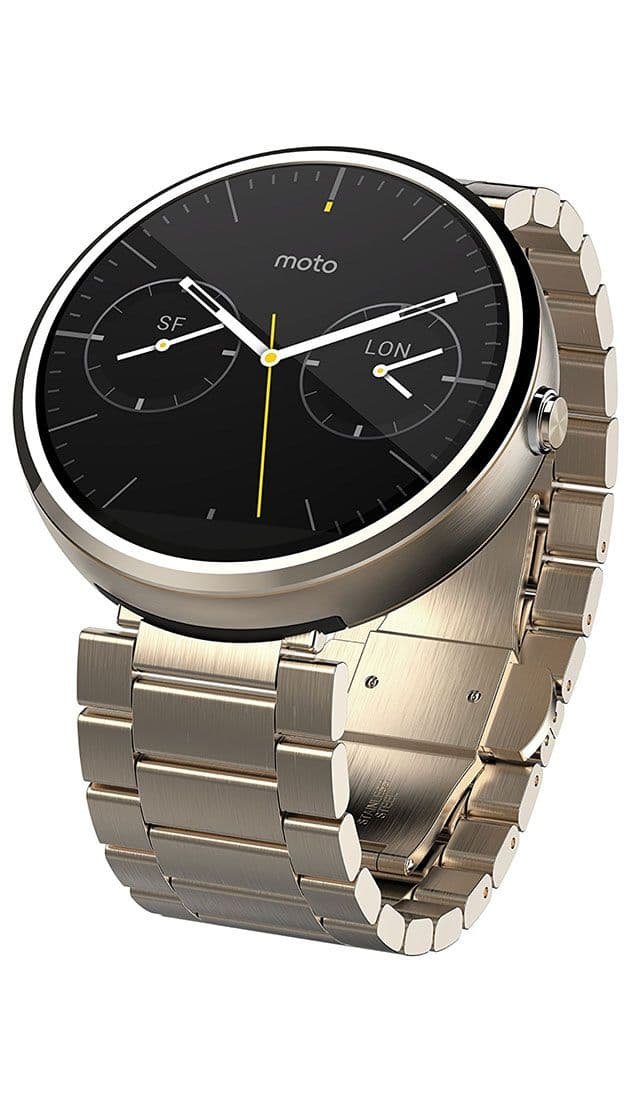
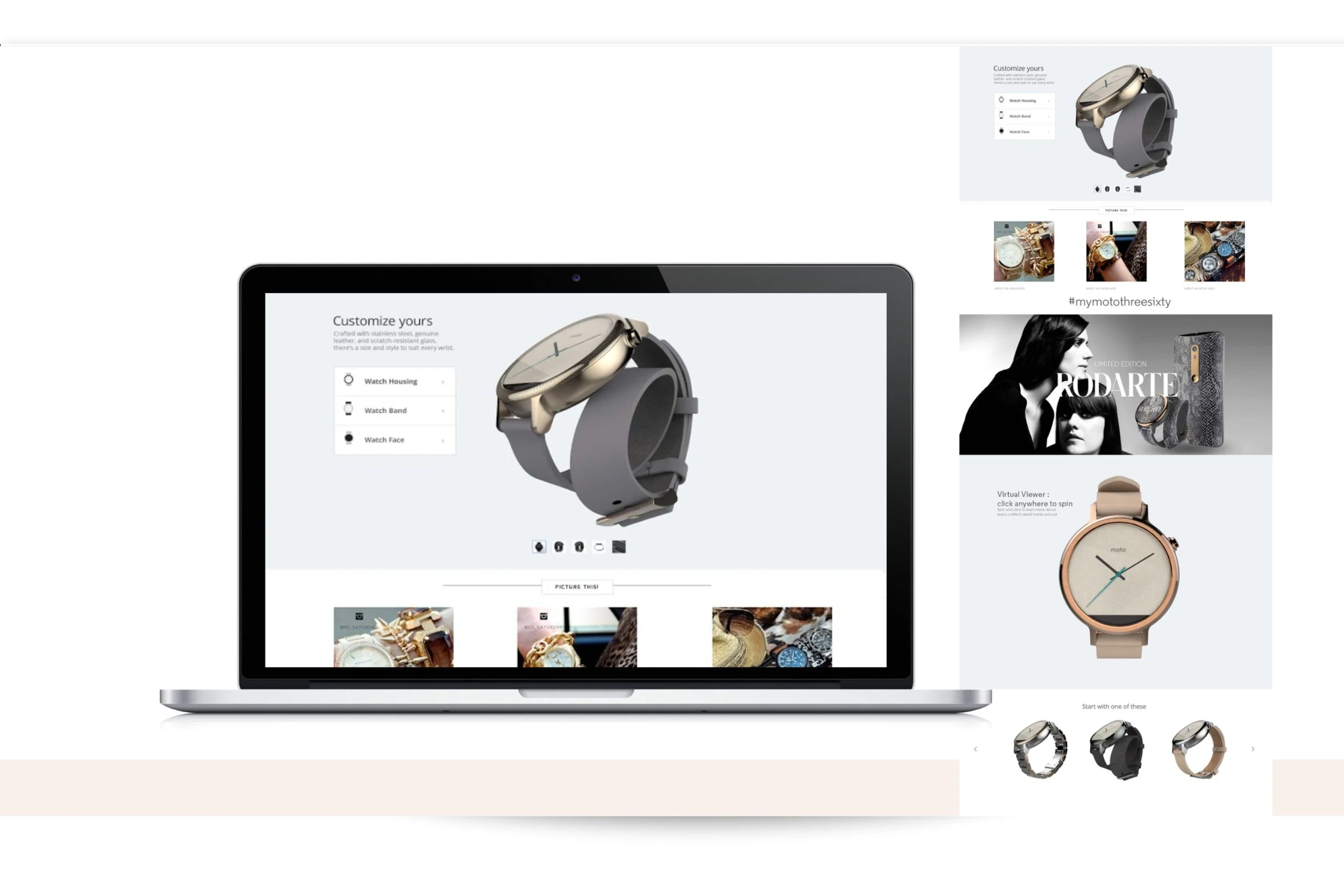
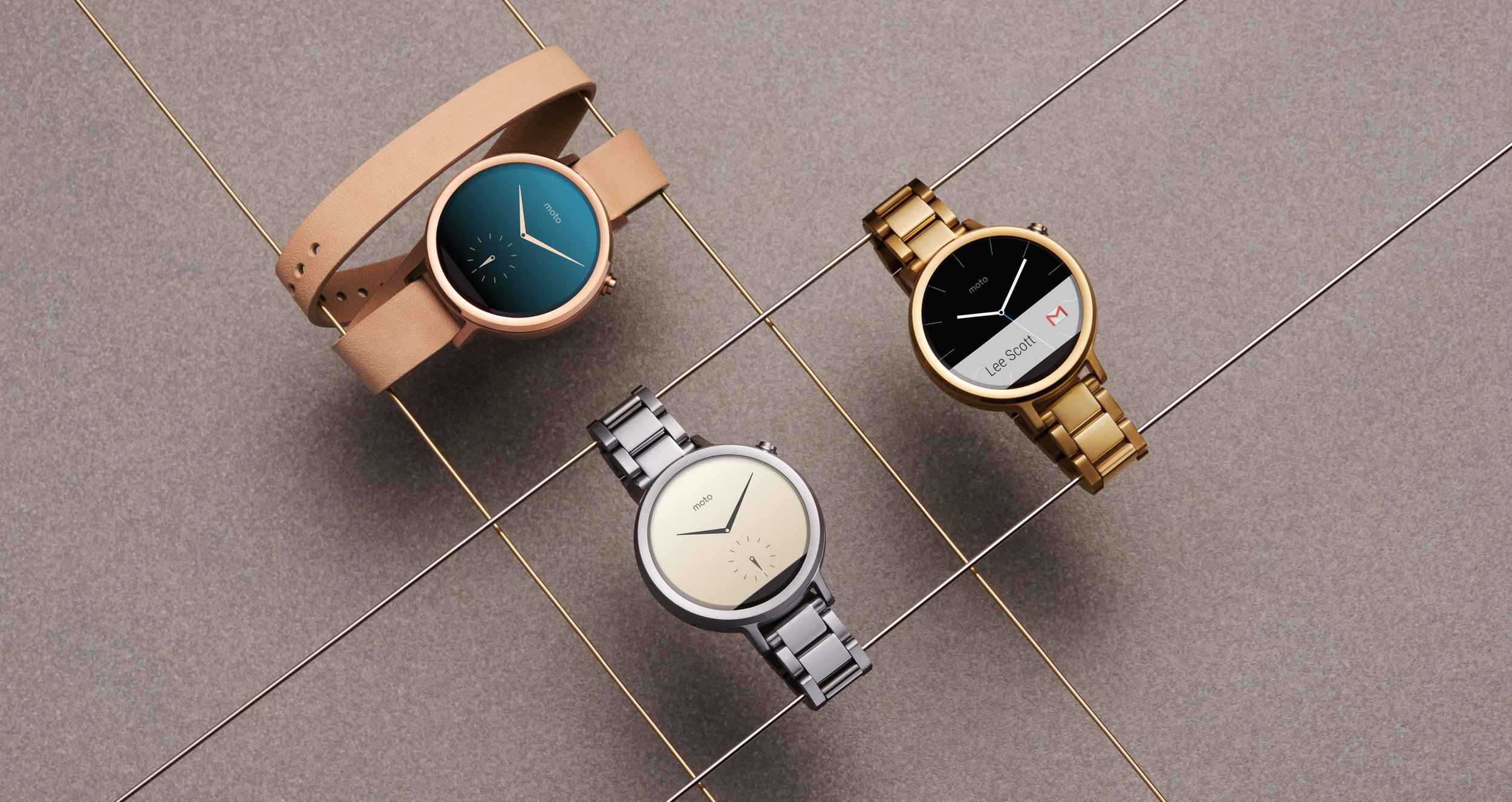
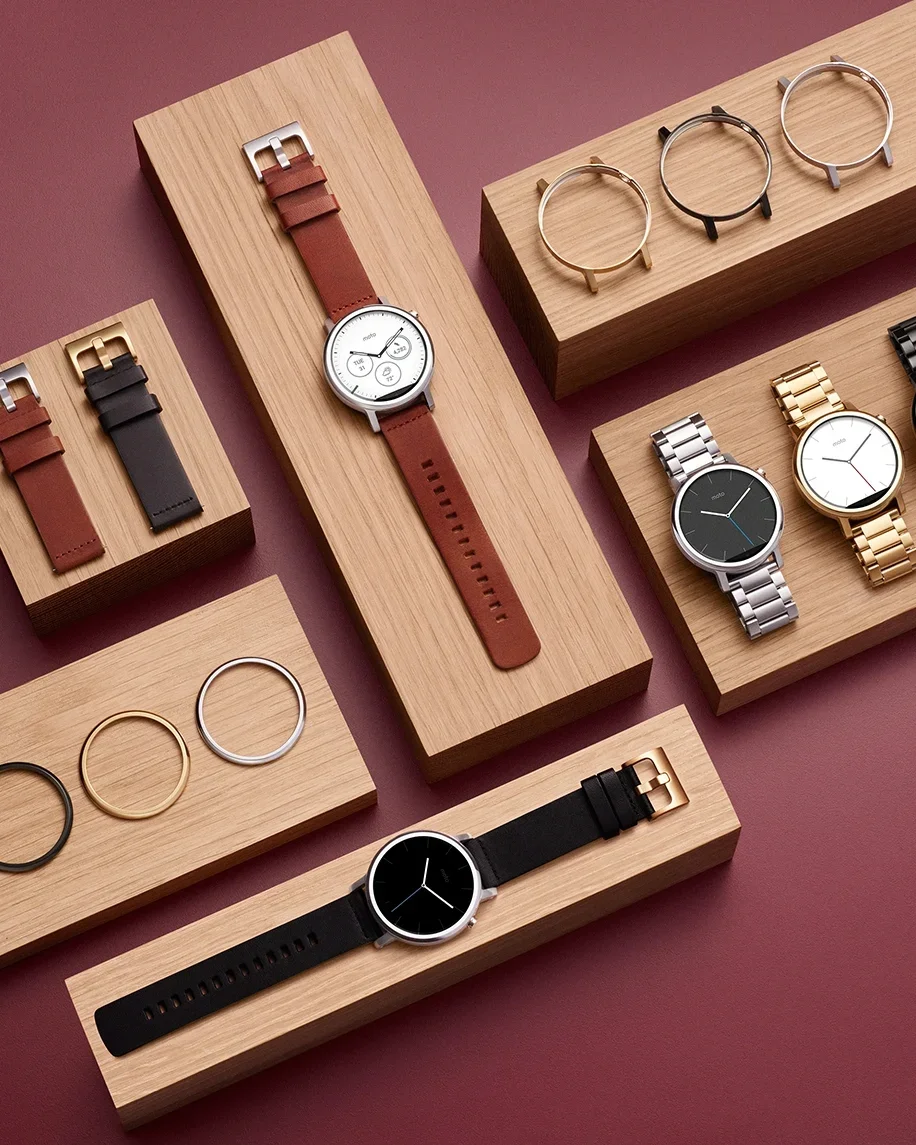
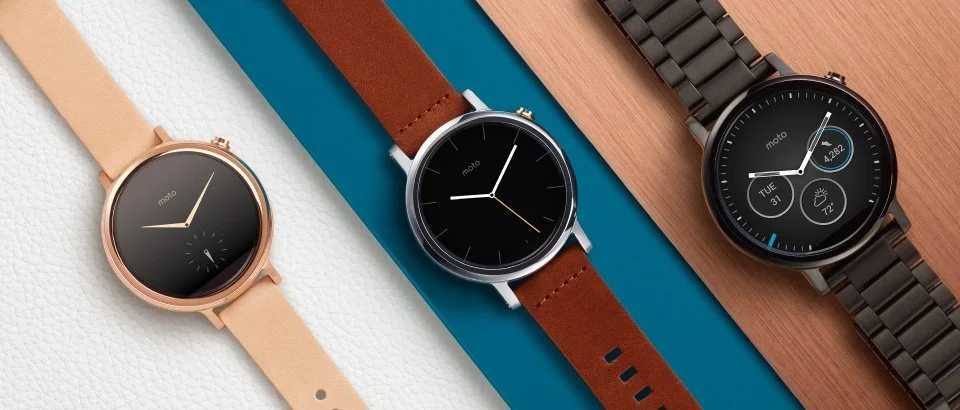
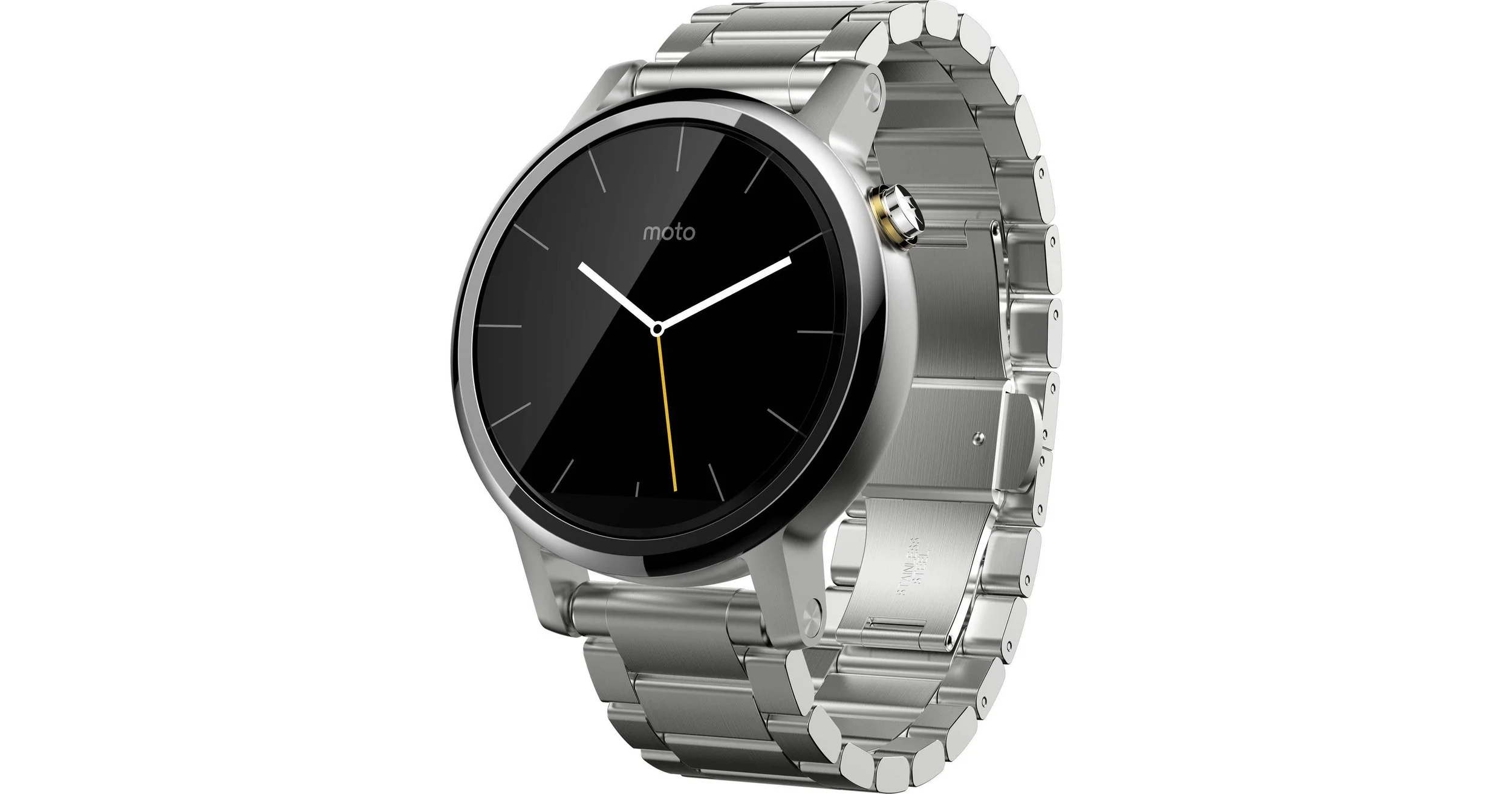
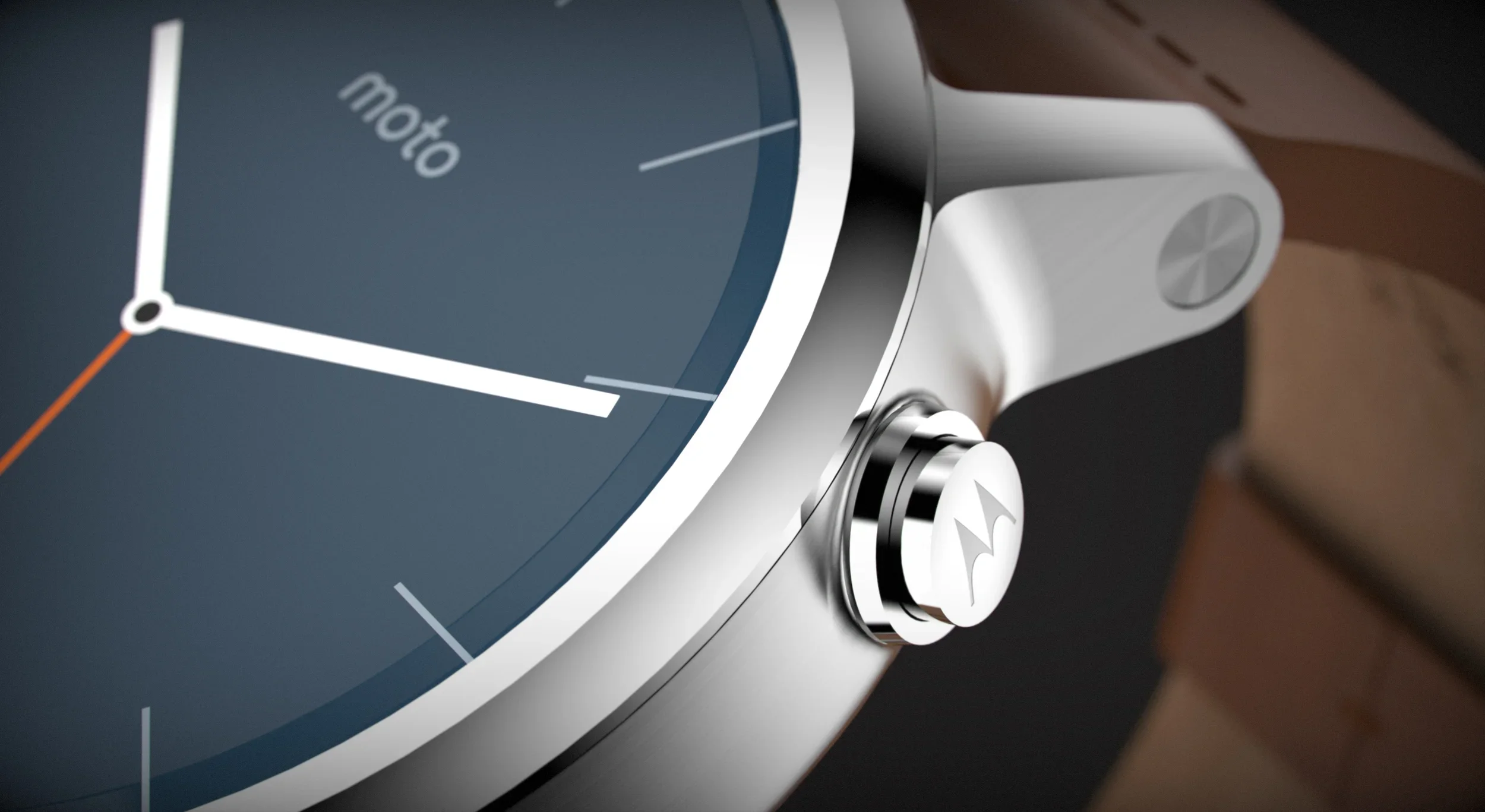
Defined stainless steel finishes, coatings, and colorways for 1st and 2nd Gen models to support both durability and personalization
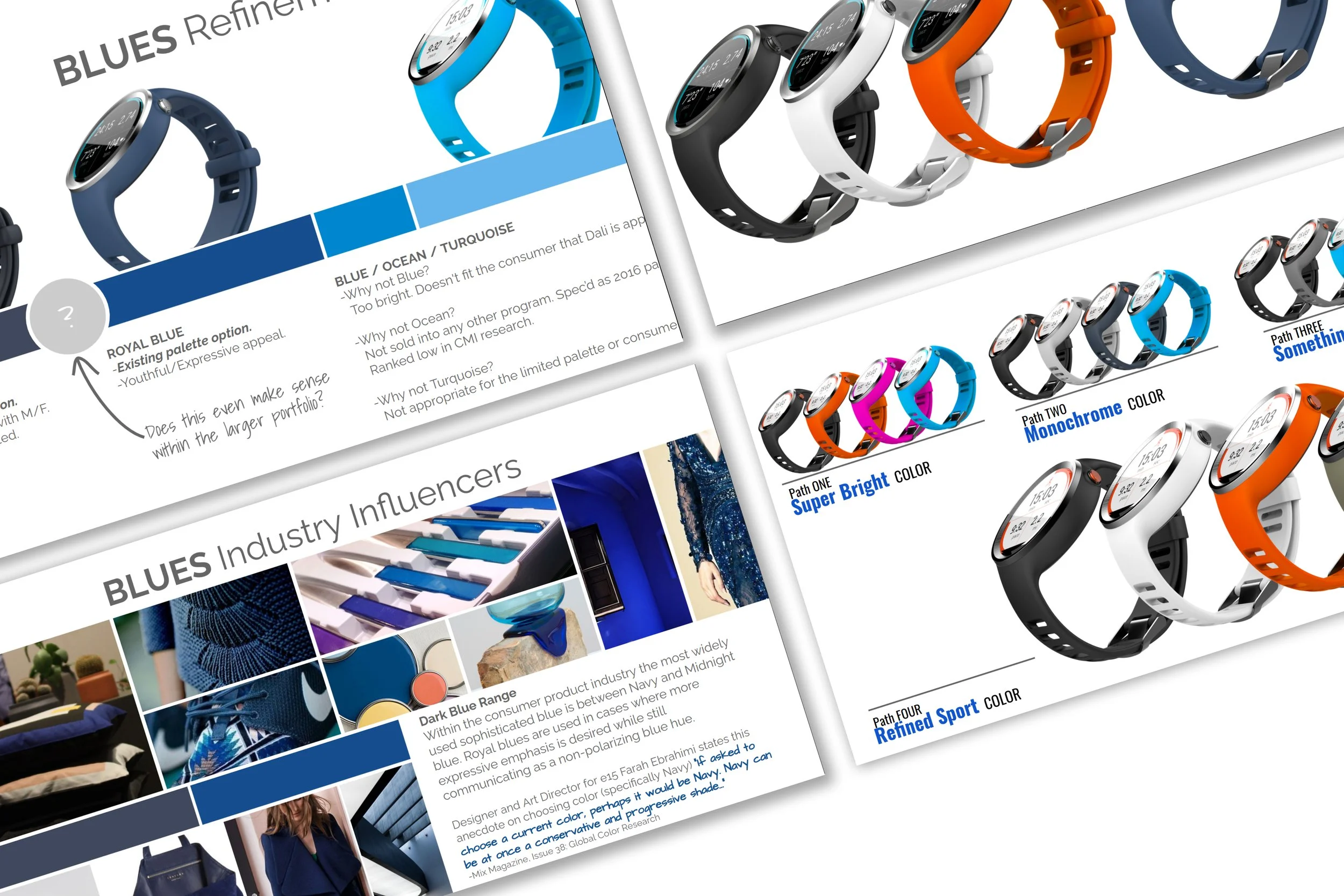
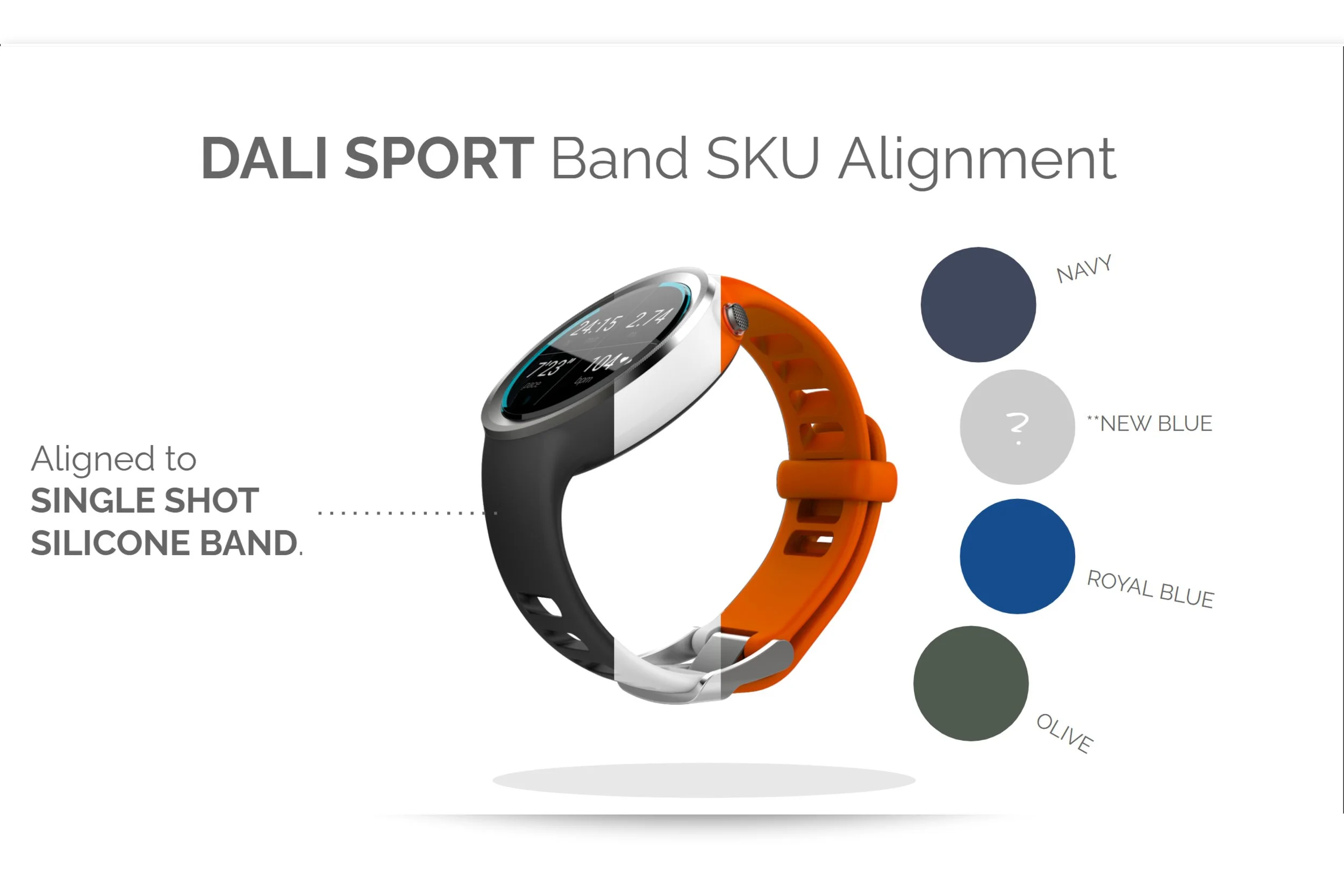
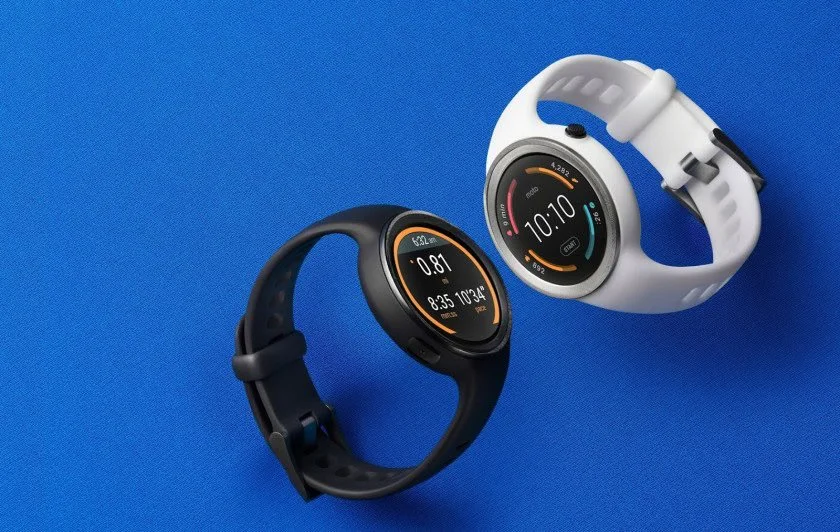
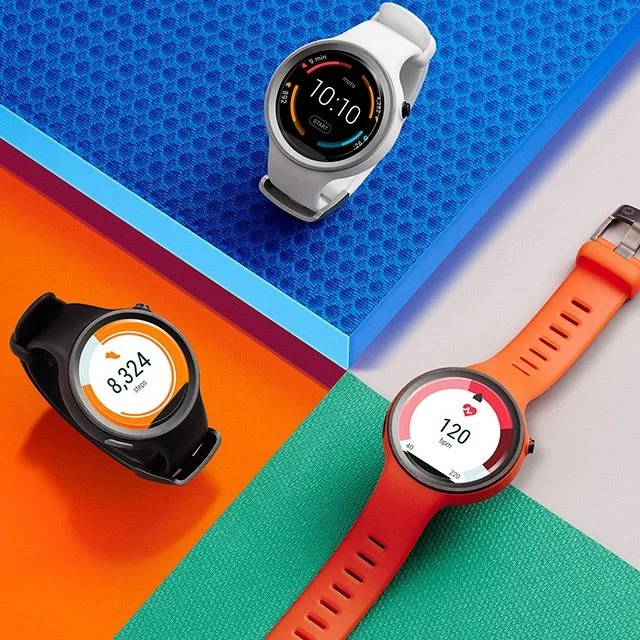
Developed soft-touch, breathable materials and high-contrast finishes for Moto 360 Sport to enhance comfort and performance
Led CMF reviews to ensure consistency across generations while allowing targeted differentiation by use case
Exploration & Prototyping
-
![]()
> Curate metal palette
-
![]()
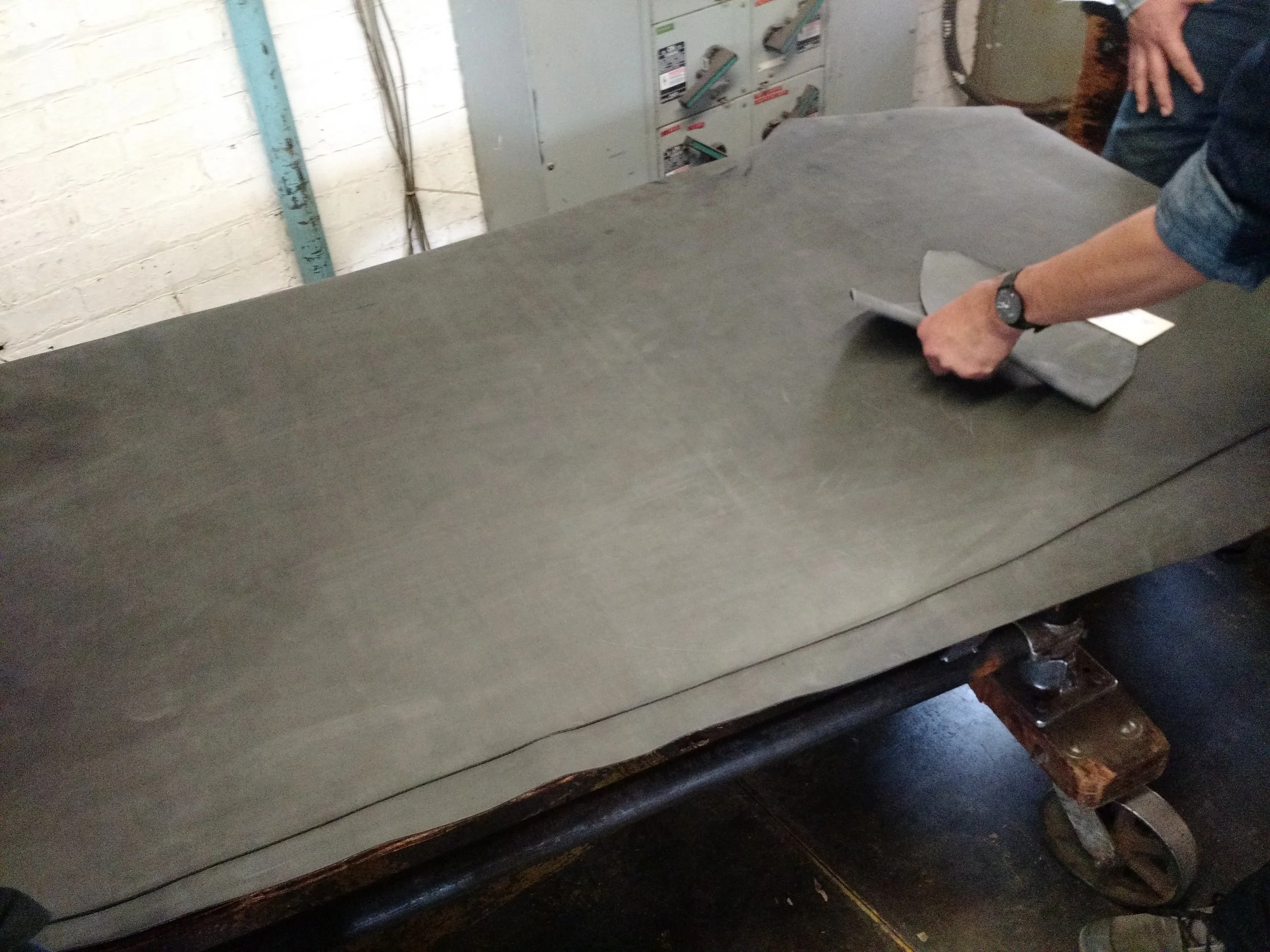
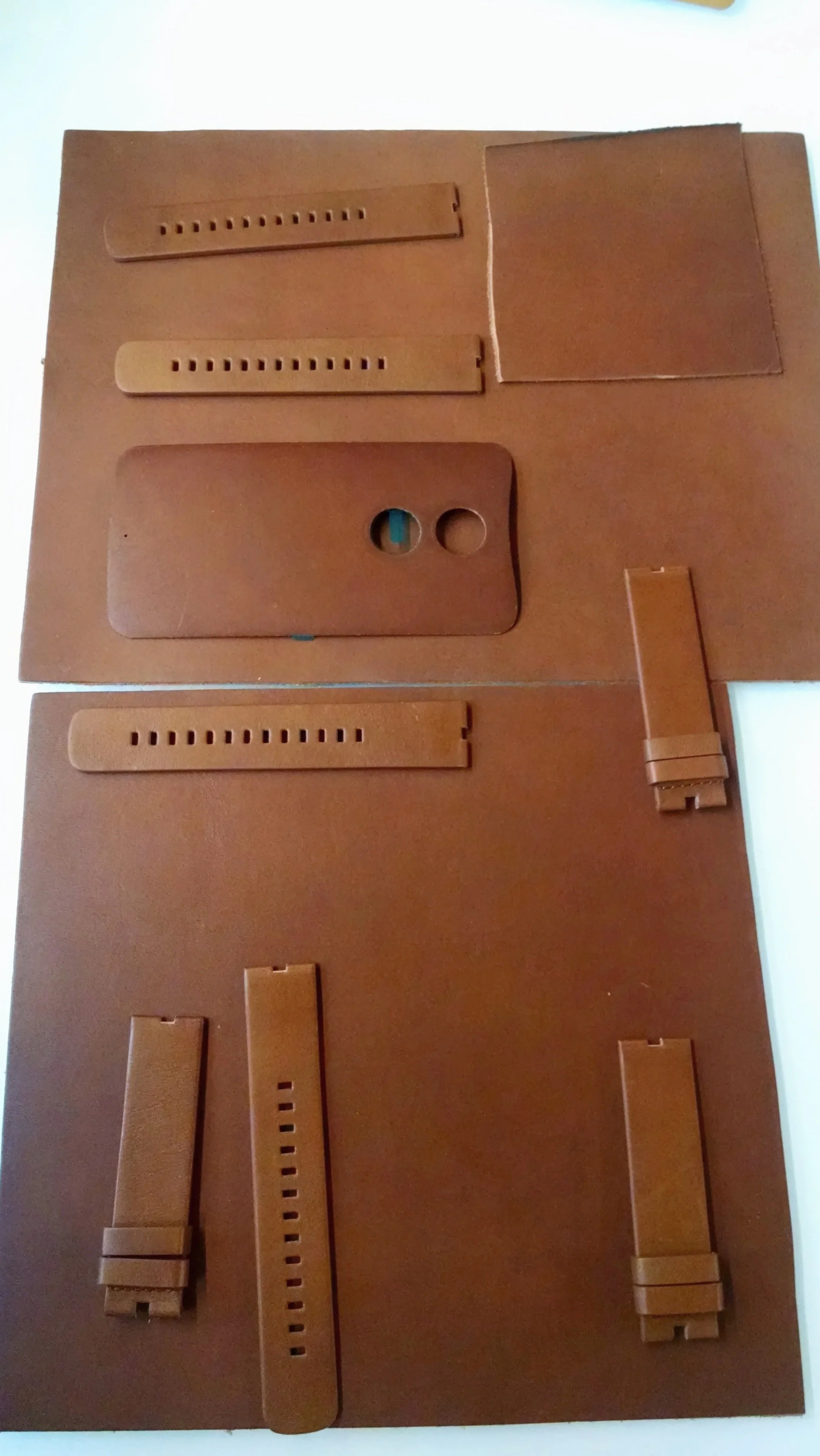
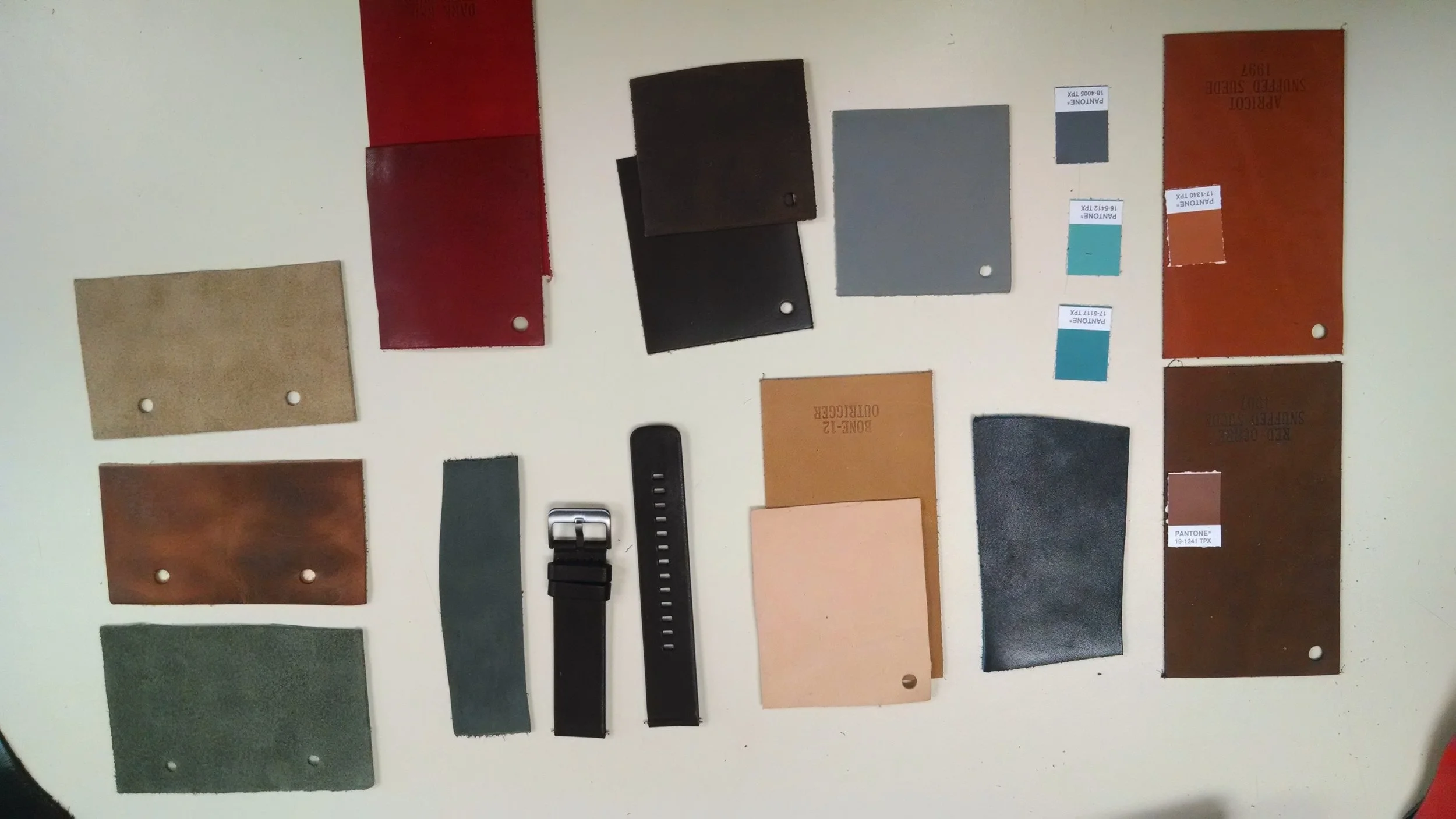
> Leather strap color collection
-
![]()
>Silicone strap strategy
-
![]()
> Metal finish study
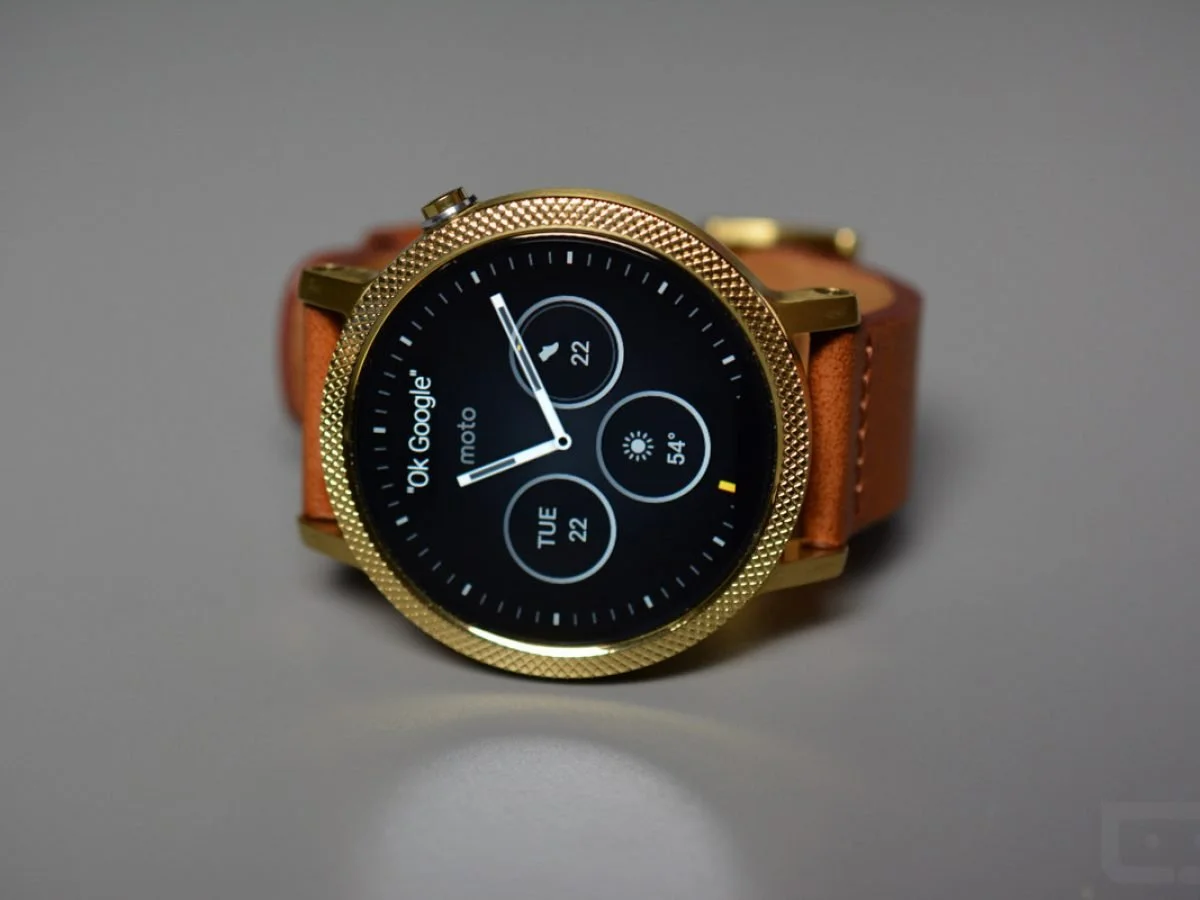
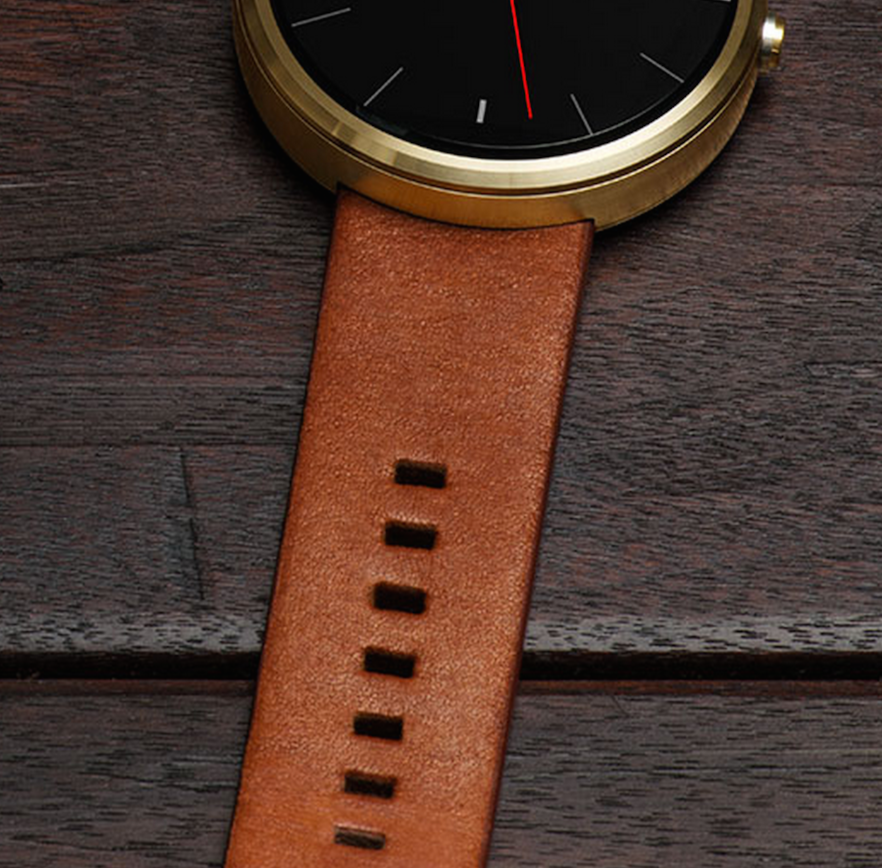

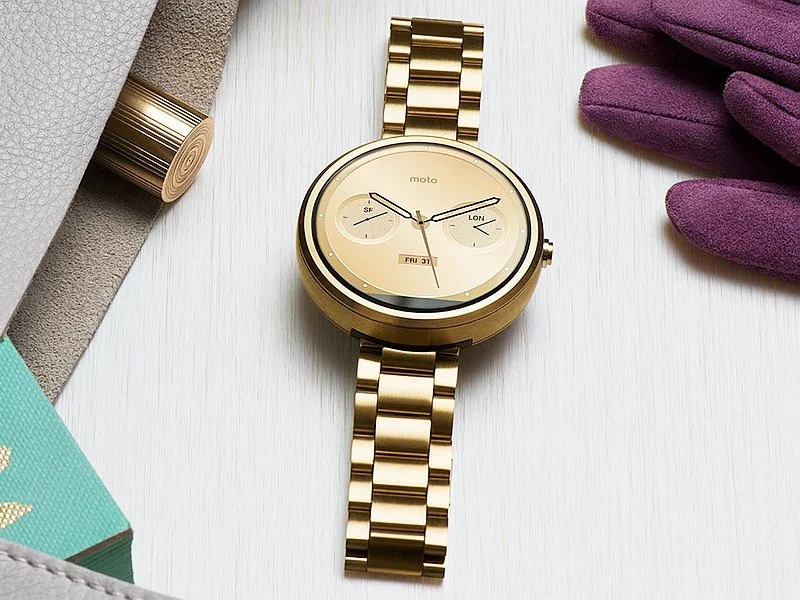
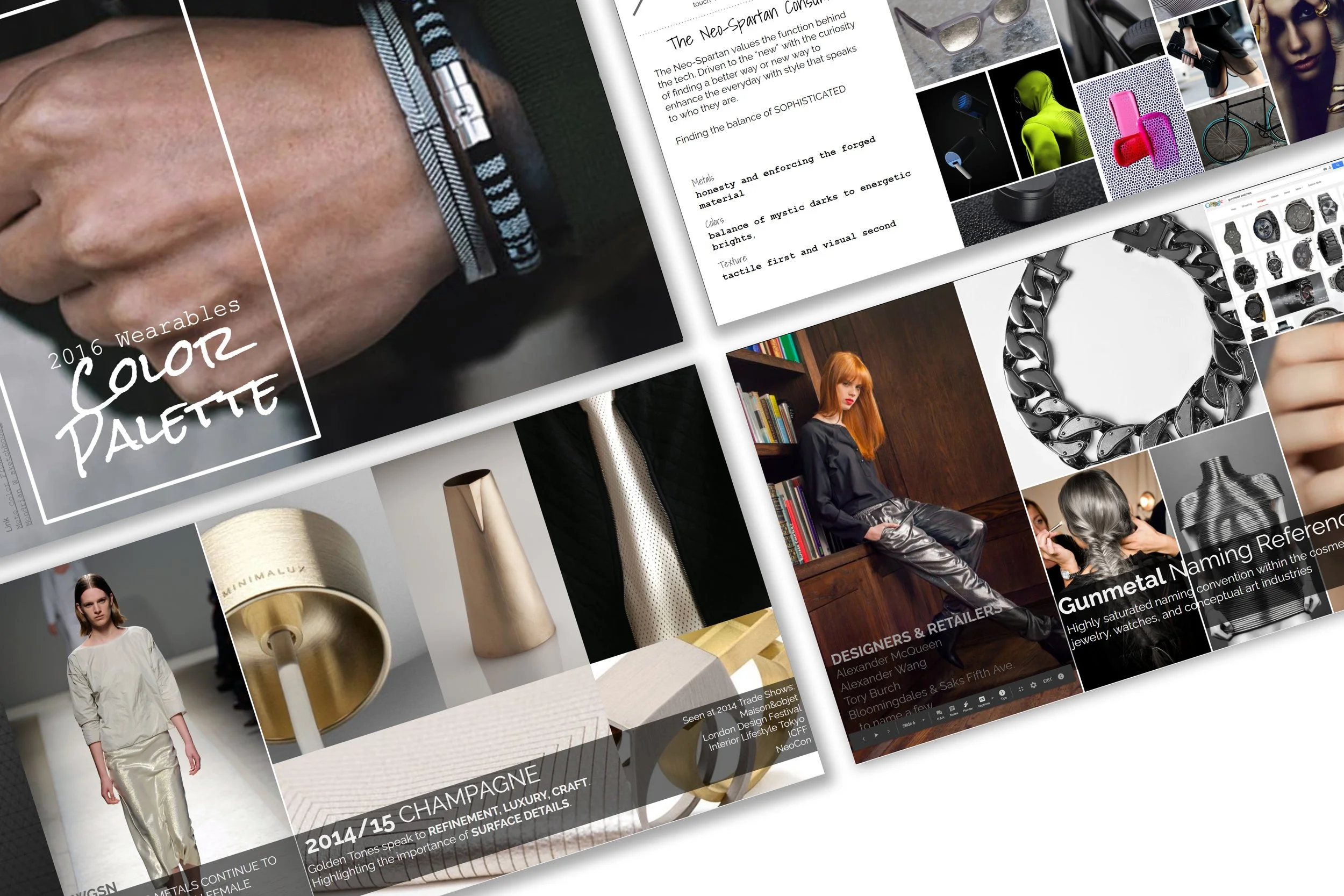
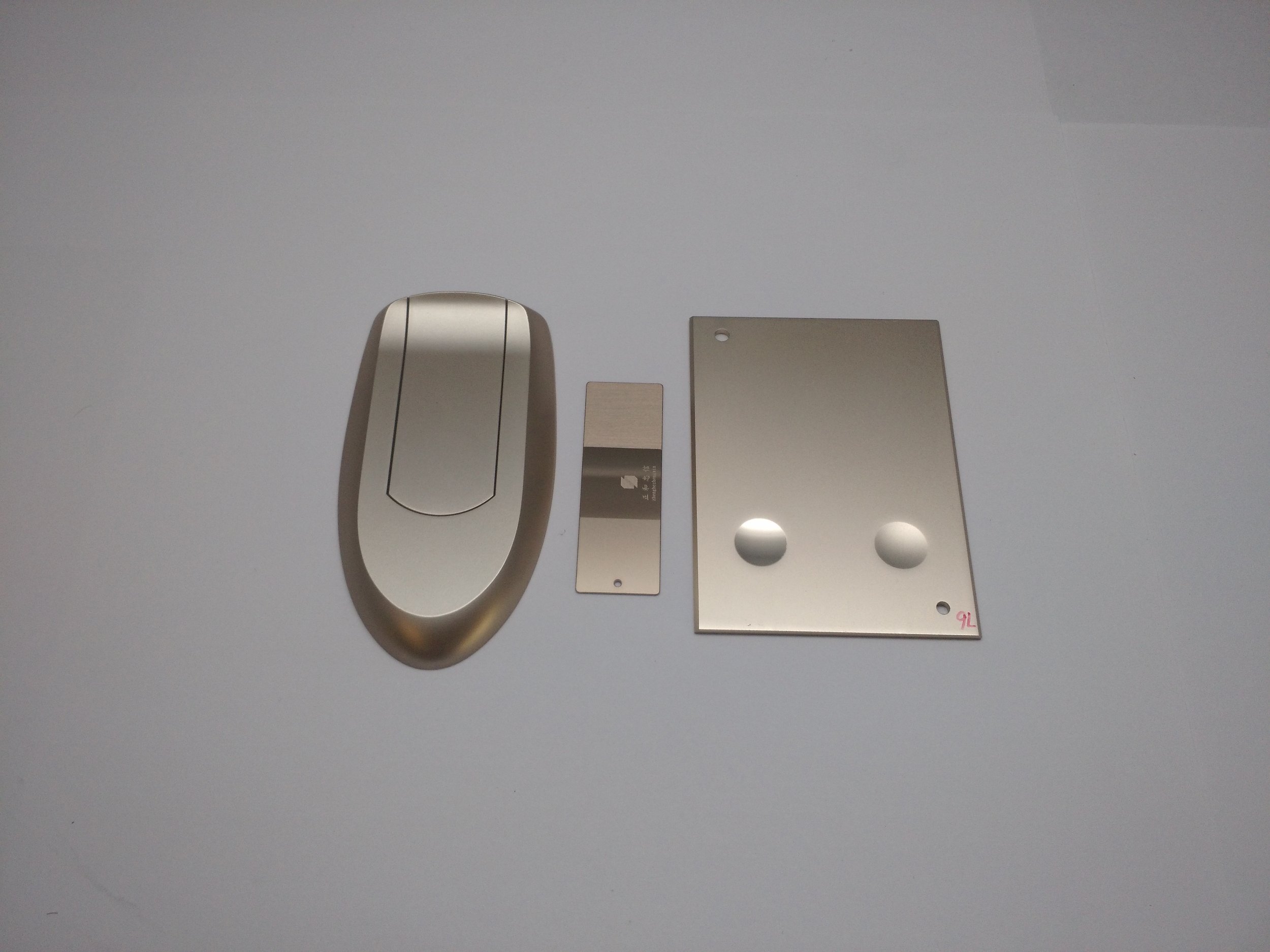
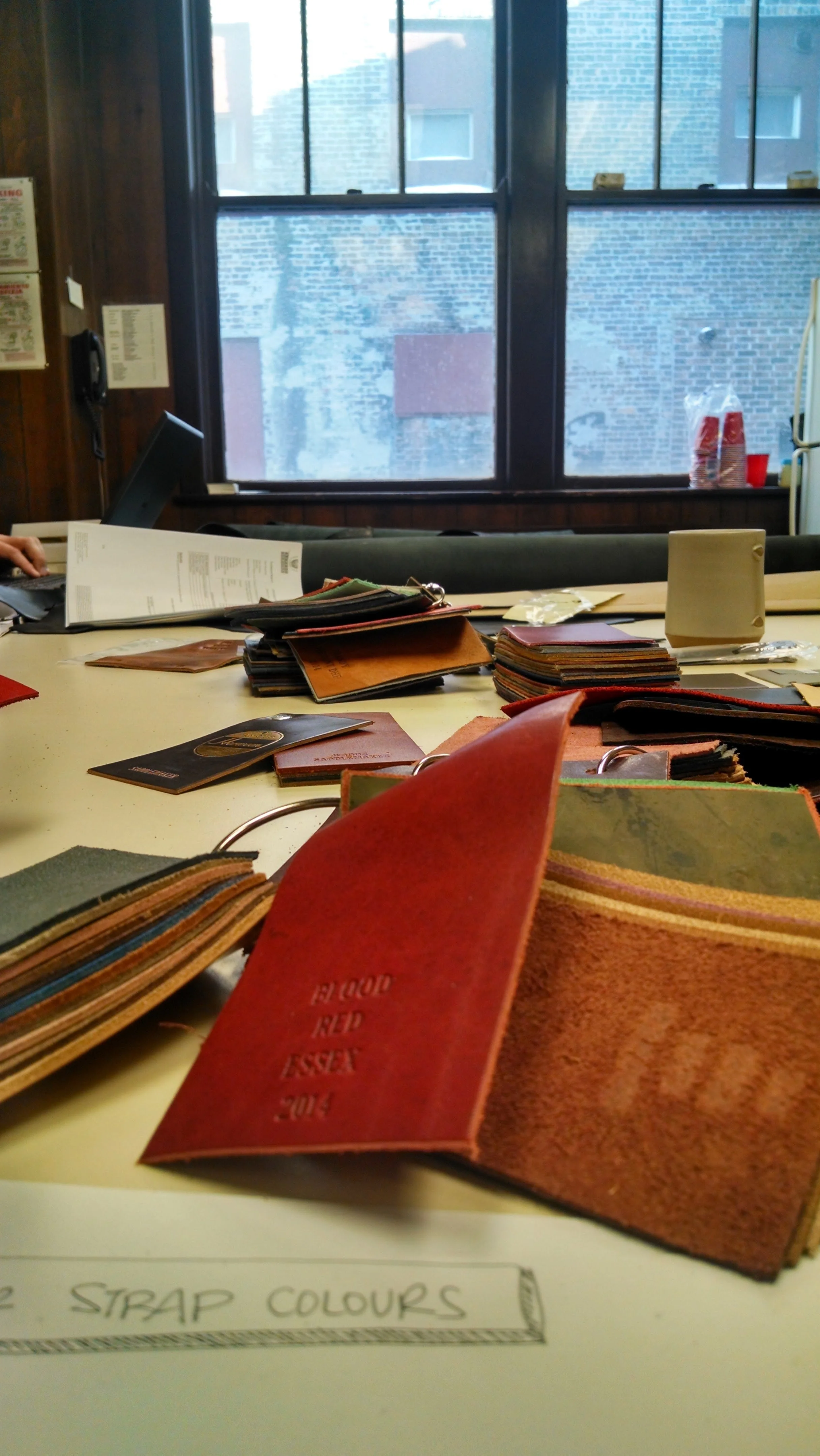
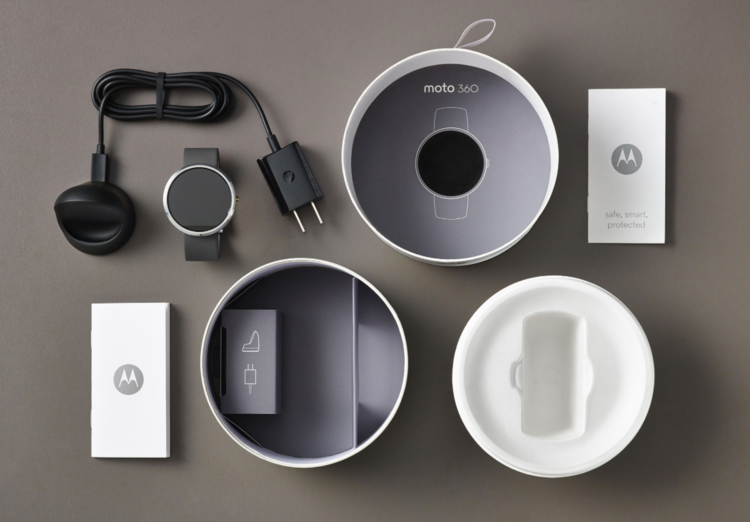
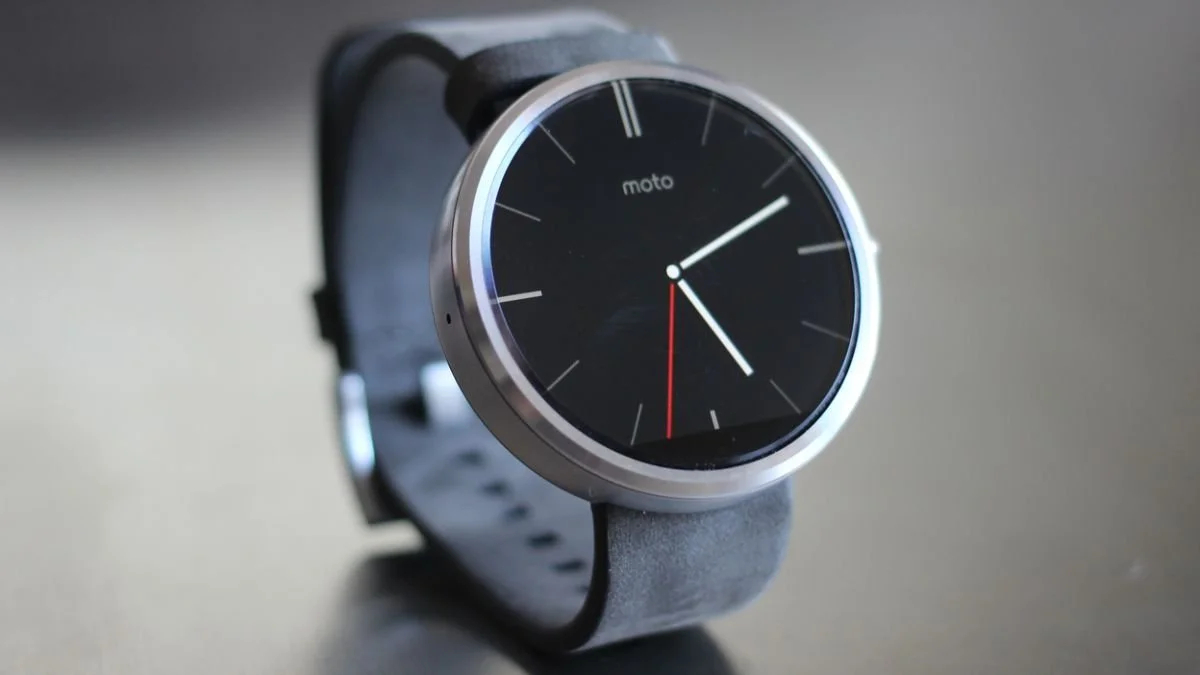
The Moto 360 family established a recognizable and enduring CMF identity across lifestyle and sport wearables. From the warm, familiar presence of the original Moto 360 to the refined customization of 2nd Gen and the performance-driven clarity of Sport, the lineup demonstrated how a single design language could flex across contexts without losing coherence.
Final Outcome



Reflection
The importance of evolution over reinvention.
Working across three iterations highlighted the importance of evolution over reinvention. By refining materials and finishes generation by generation—rather than resetting the design language—the Moto 360 program proved that wearables could mature thoughtfully. The project helped shift smartwatches from novelty devices into everyday objects people felt comfortable wearing, trusting, and personalizing.