Moto Z Franchise
Product CMF & Design Strategy
CMF Lead — Mobile / 2016-2019
Intro
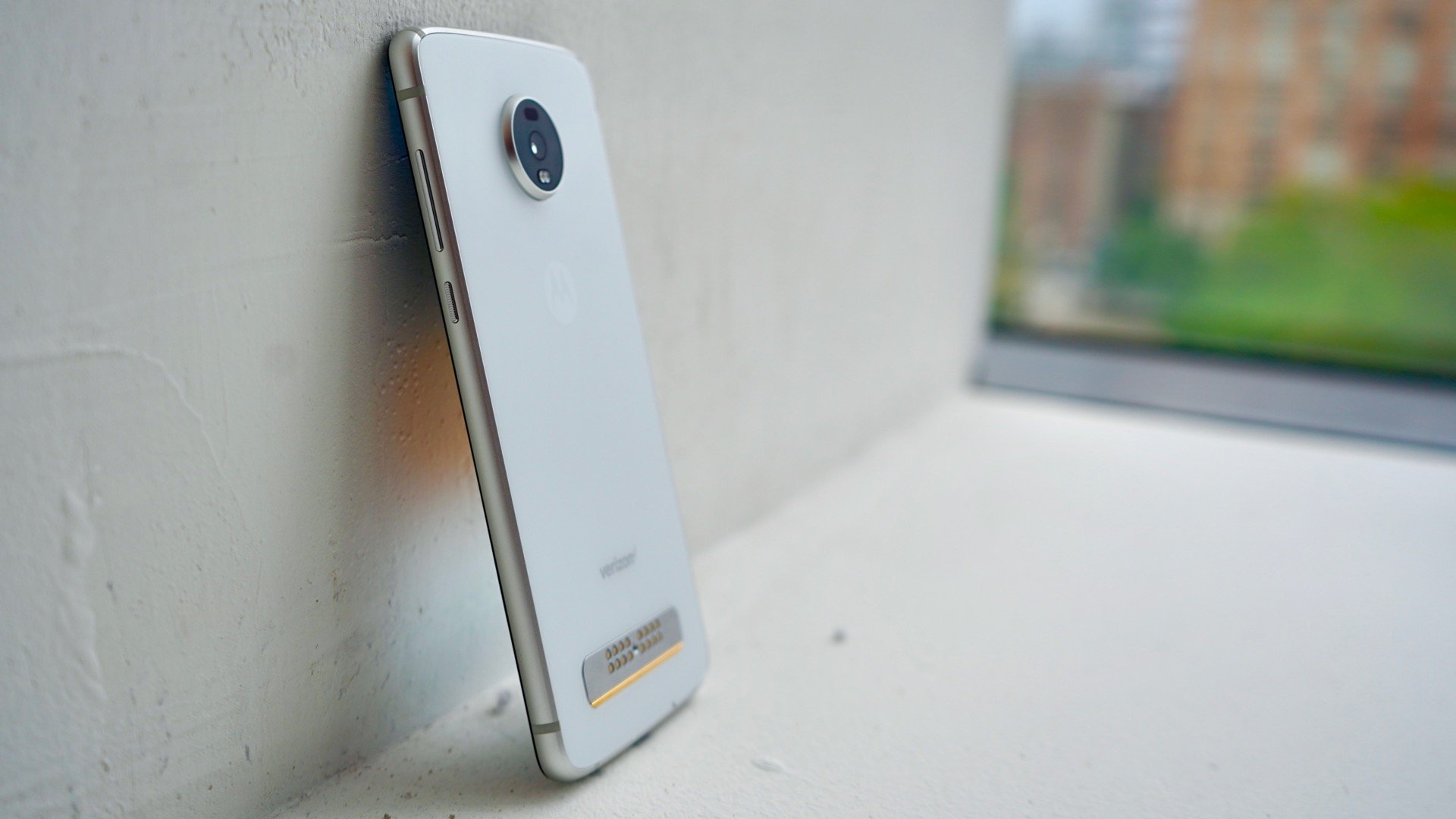
Moto Z was conceived not as a single product, but as a modular platform designed to evolve. Across four generations—Moto Z, Z2, Z3, and Z4—the franchise paired an ultra-thin core device with an expanding ecosystem of Moto Mods. CMF played a central role in establishing a coherent visual and tactile system that could endure across time, hardware changes, and cultural moments, while remaining unmistakably Moto.
GOAL
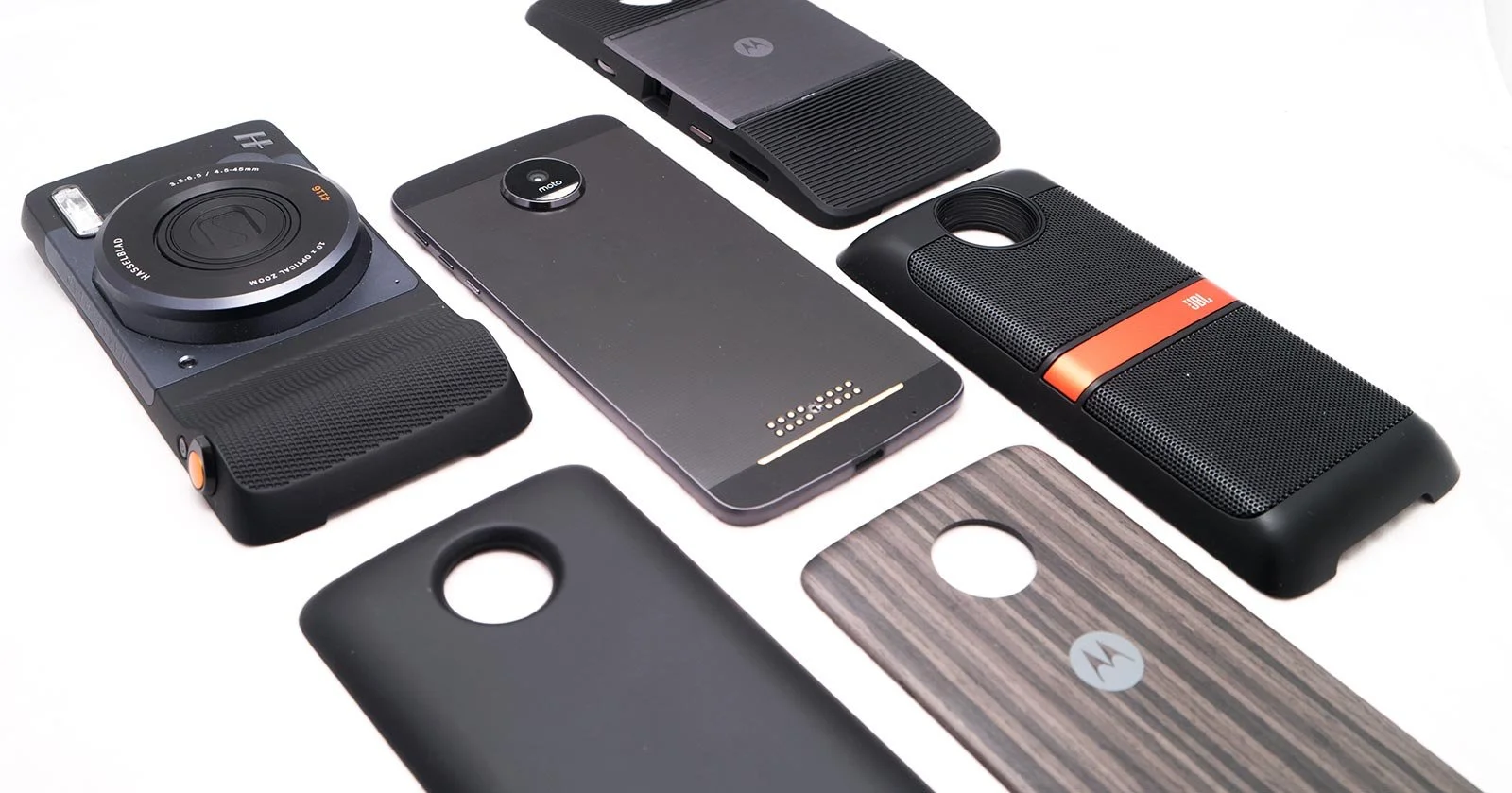
Design a flexible CMF system capable of supporting a modular smartphone platform—one that could evolve across generations, enable personalization, and remain relevant through targeted refresh without sacrificing cohesion or quality.

Designing the System
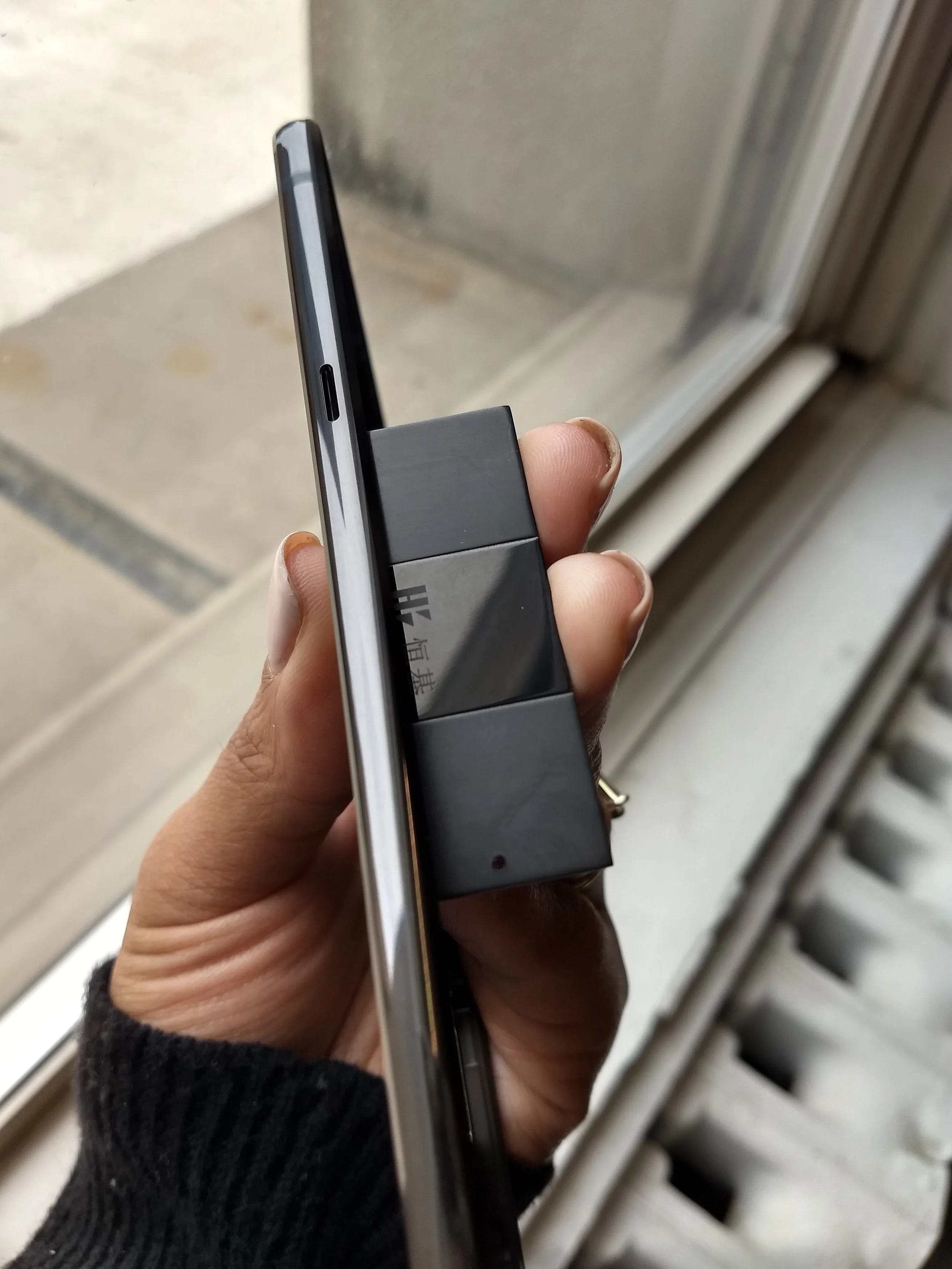
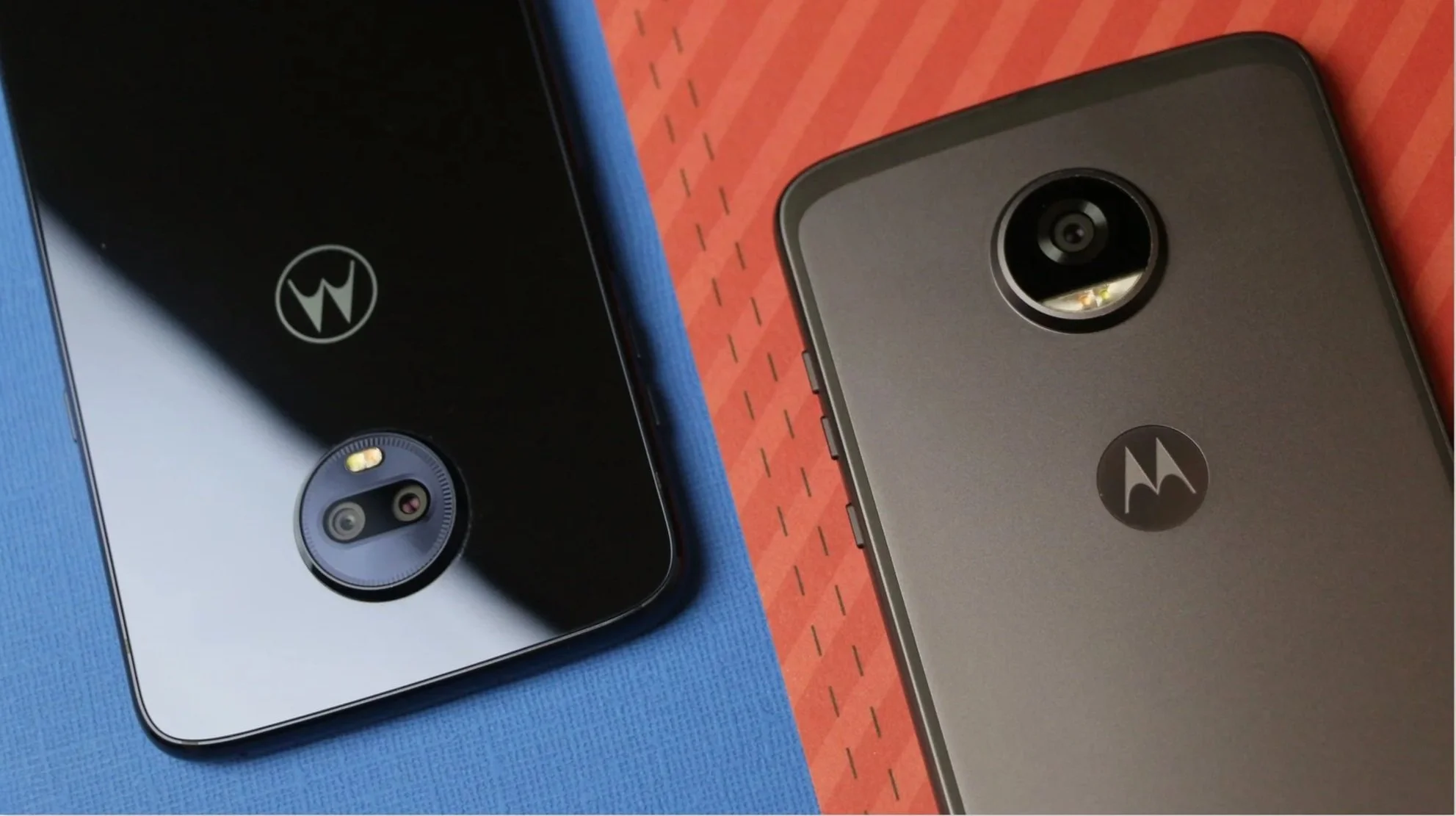
The foundation of Moto Z’s CMF language was built around clarity and restraint. Extreme thinness, exposed magnetic interfaces, and repeated Mod attachment demanded materials and finishes that were durable, premium, and visually neutral.
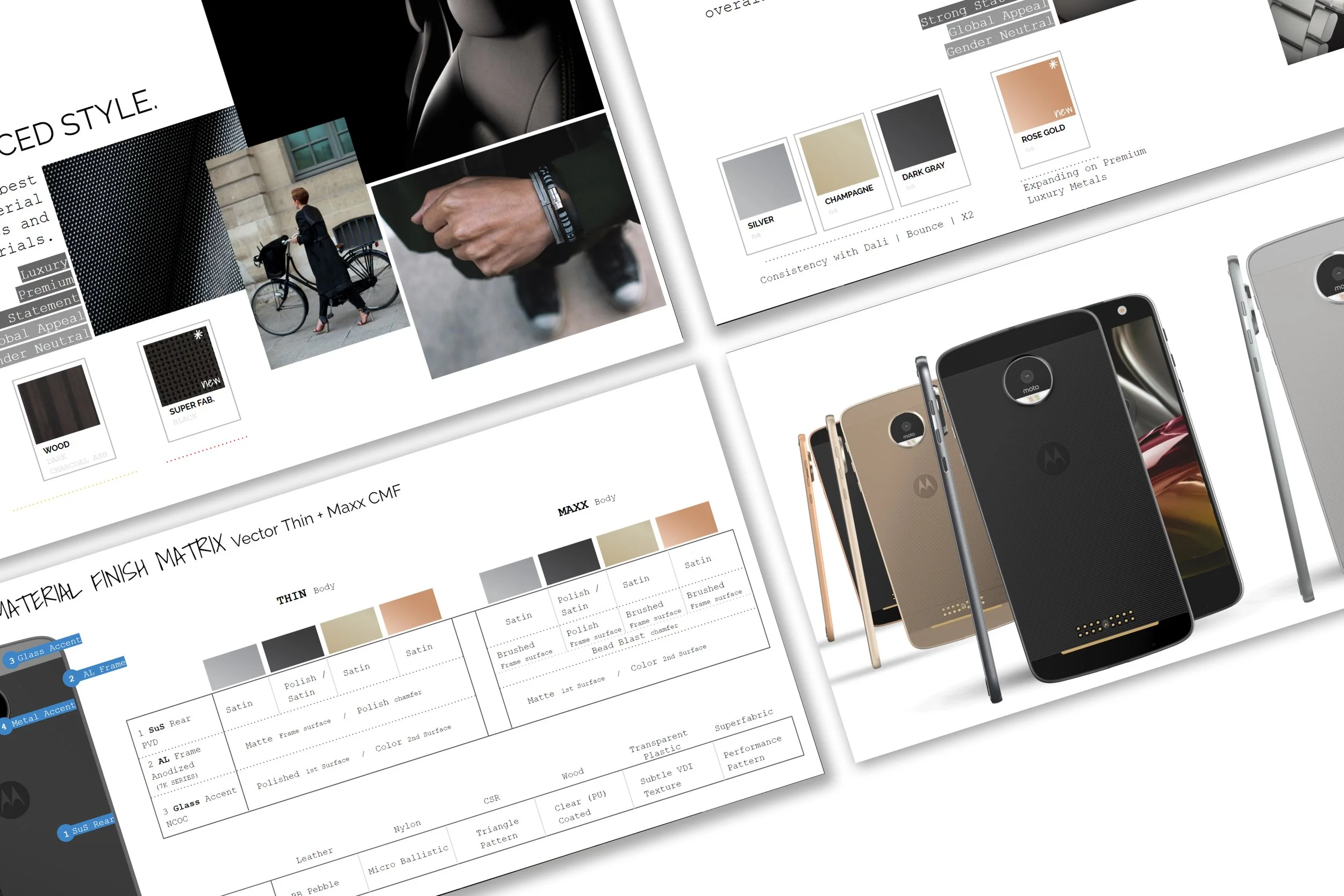
The core CMF framework prioritized a consistent material and finish hierarchy, subtle surface textures to manage wear and interaction, and a restrained palette that allowed Moto Mods to integrate seamlessly rather than compete for attention. This system-level approach ensured continuity as hardware, internals, and performance evolved year over year.
Exploration Within Constraint
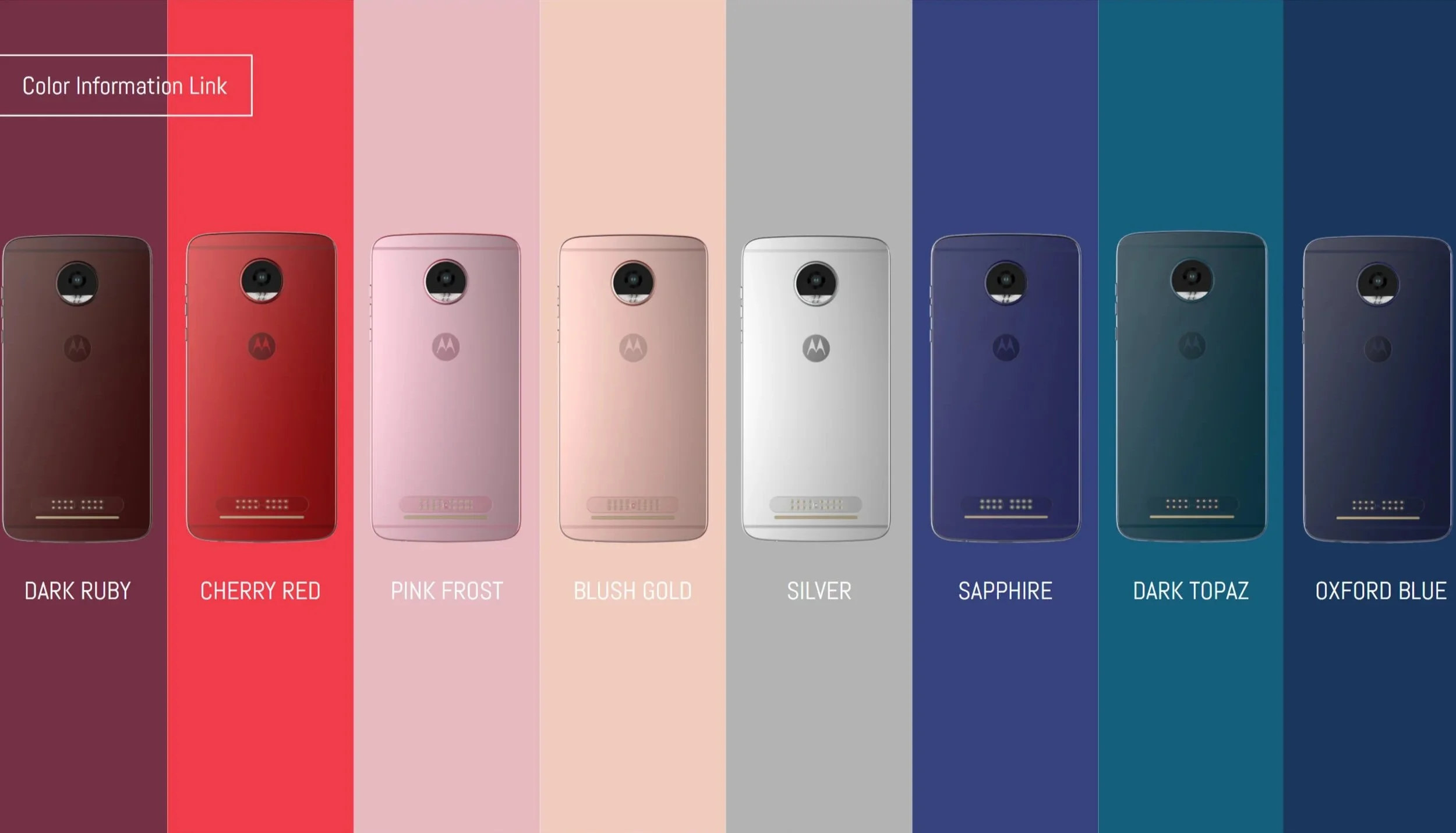
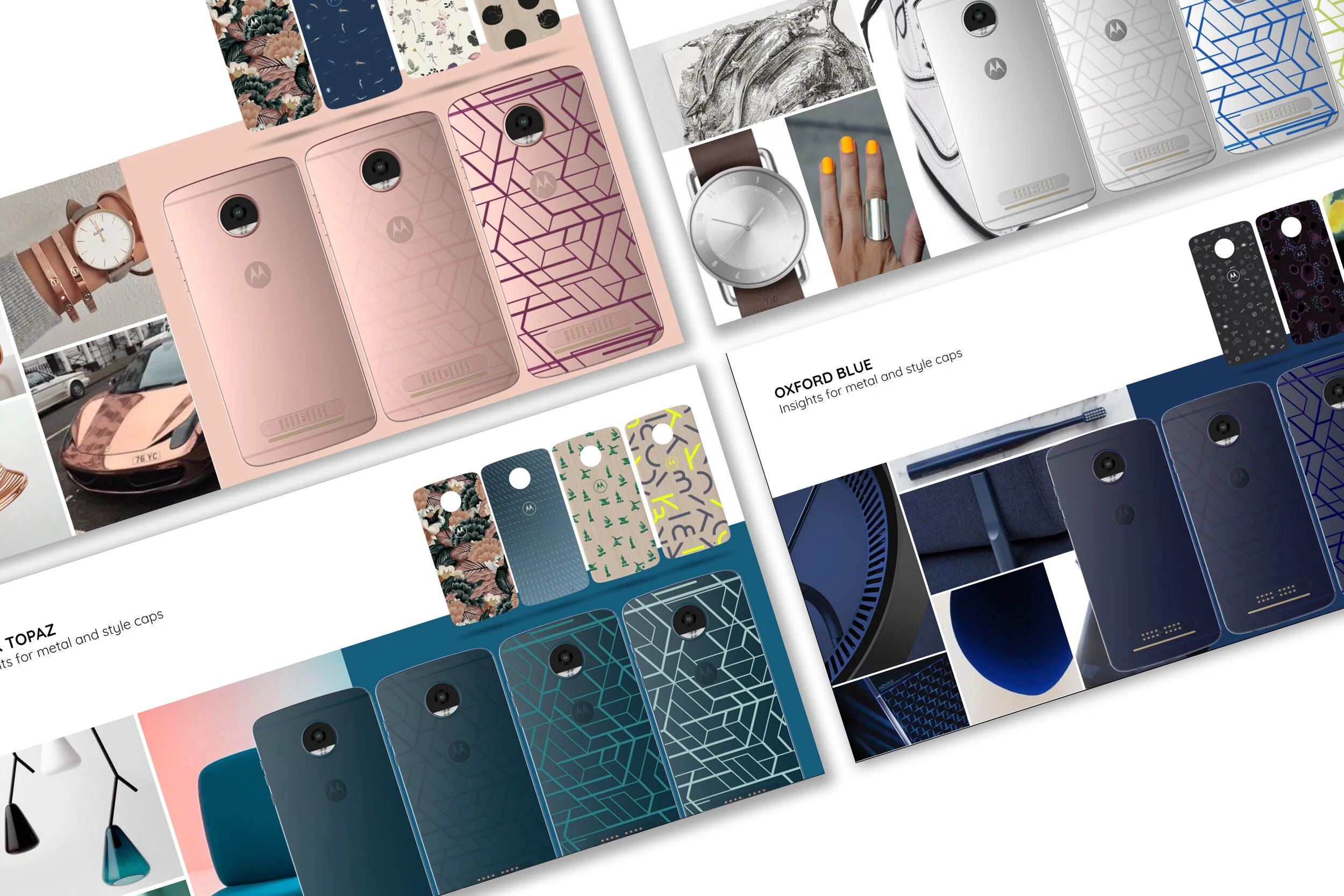
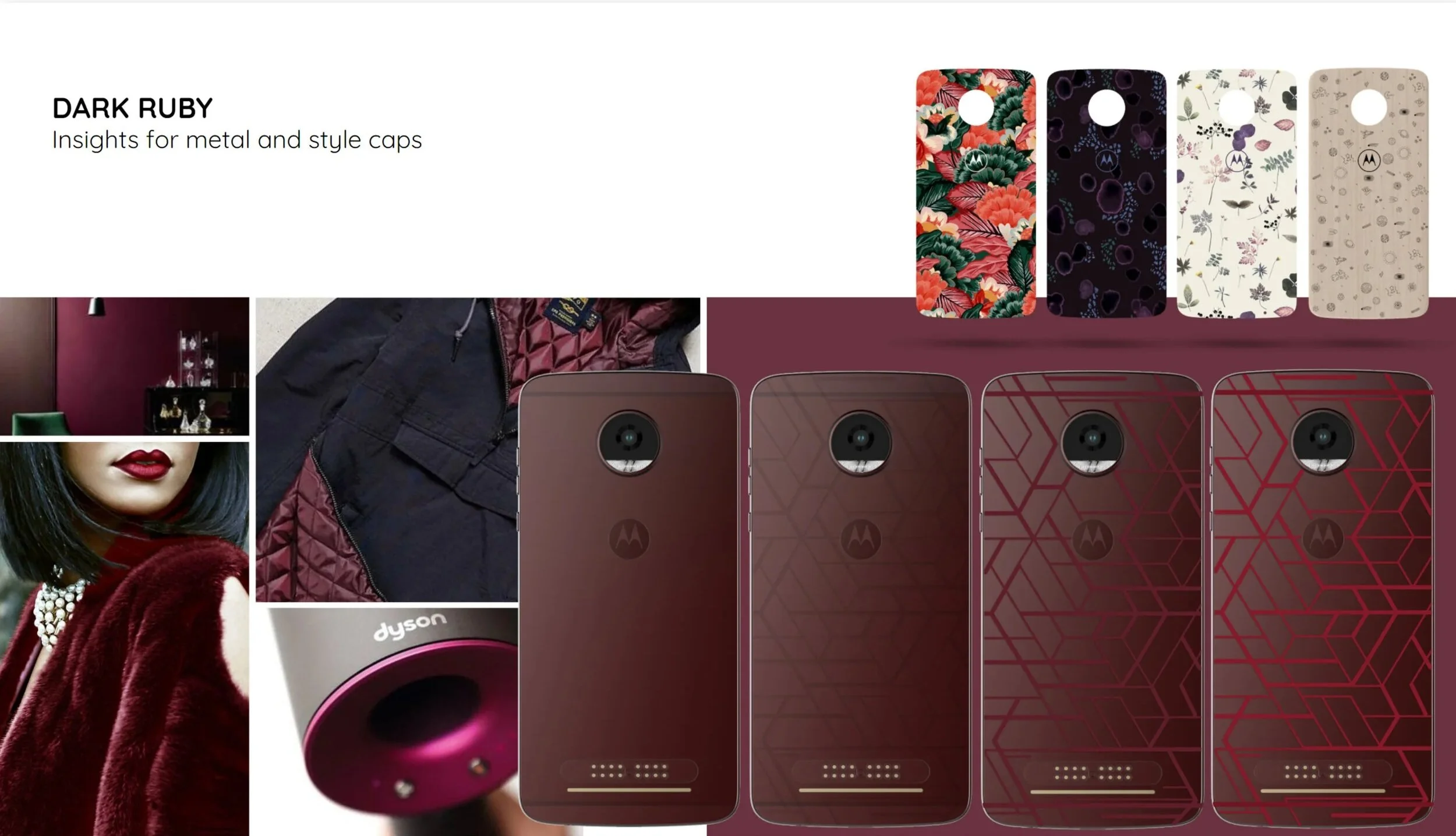
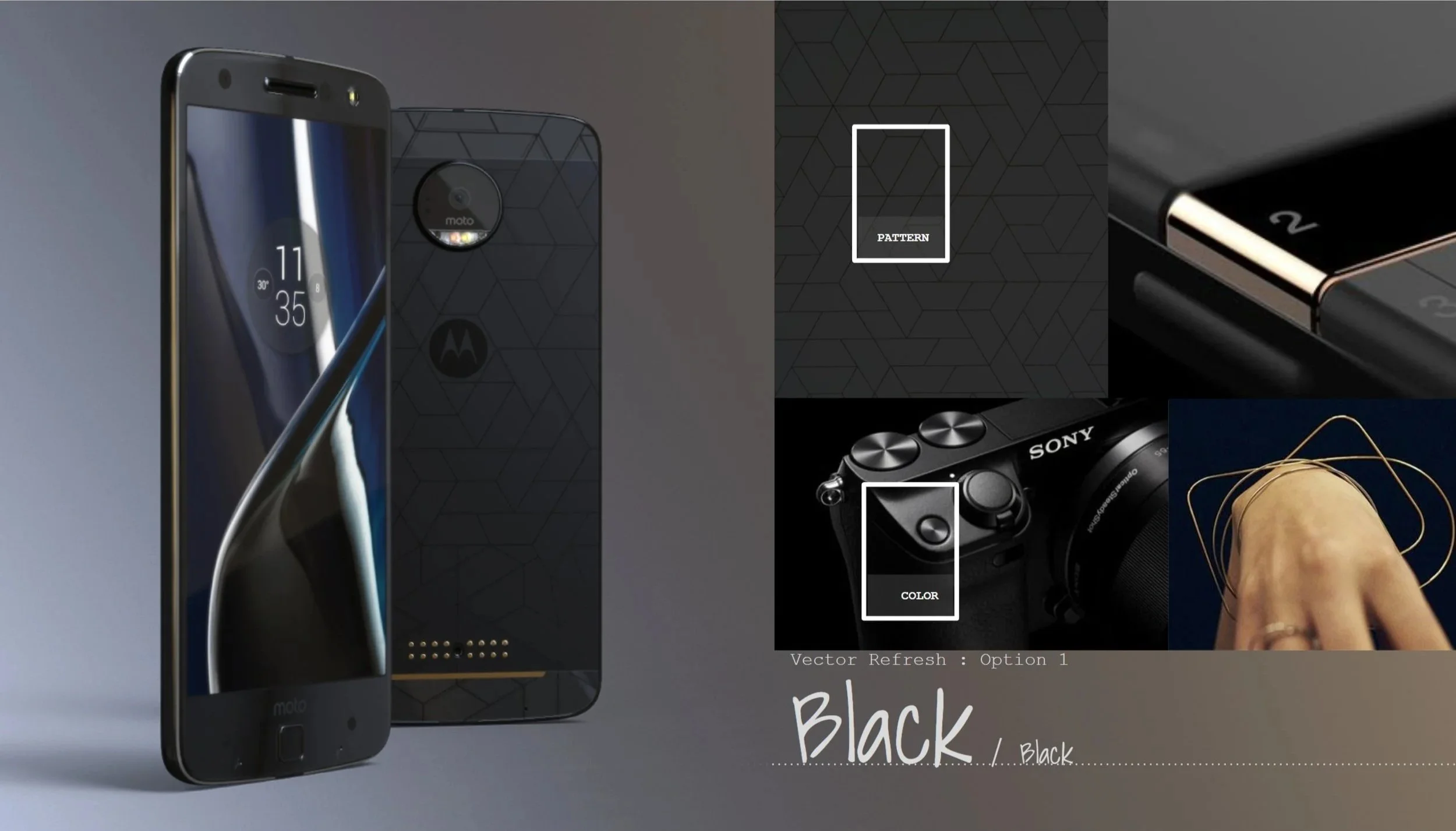
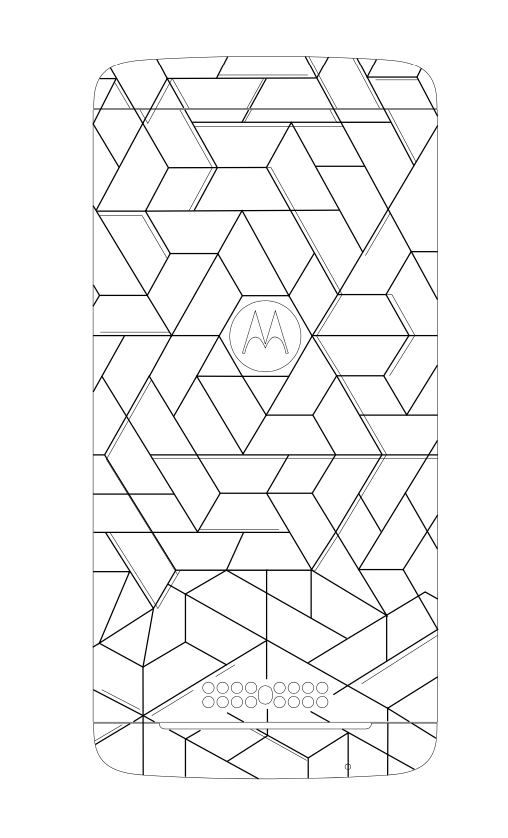
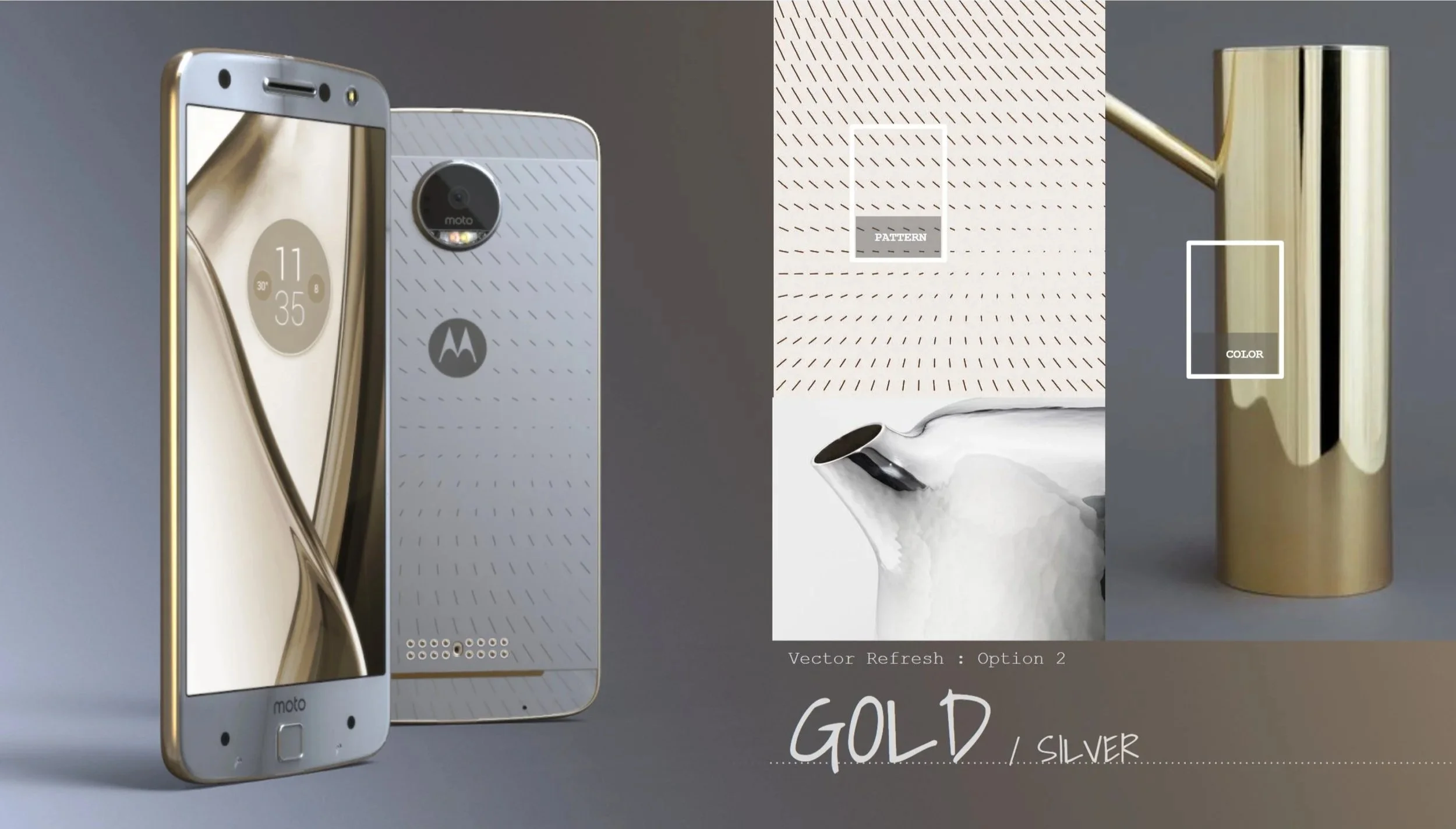
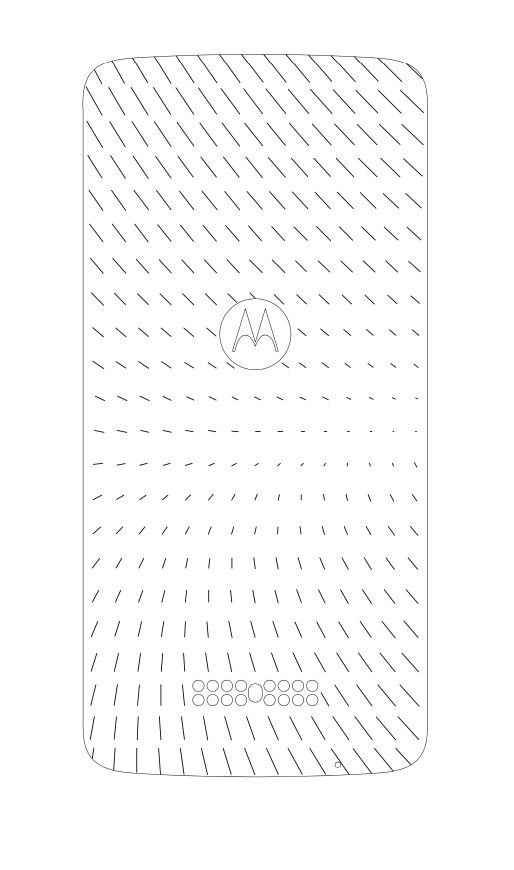
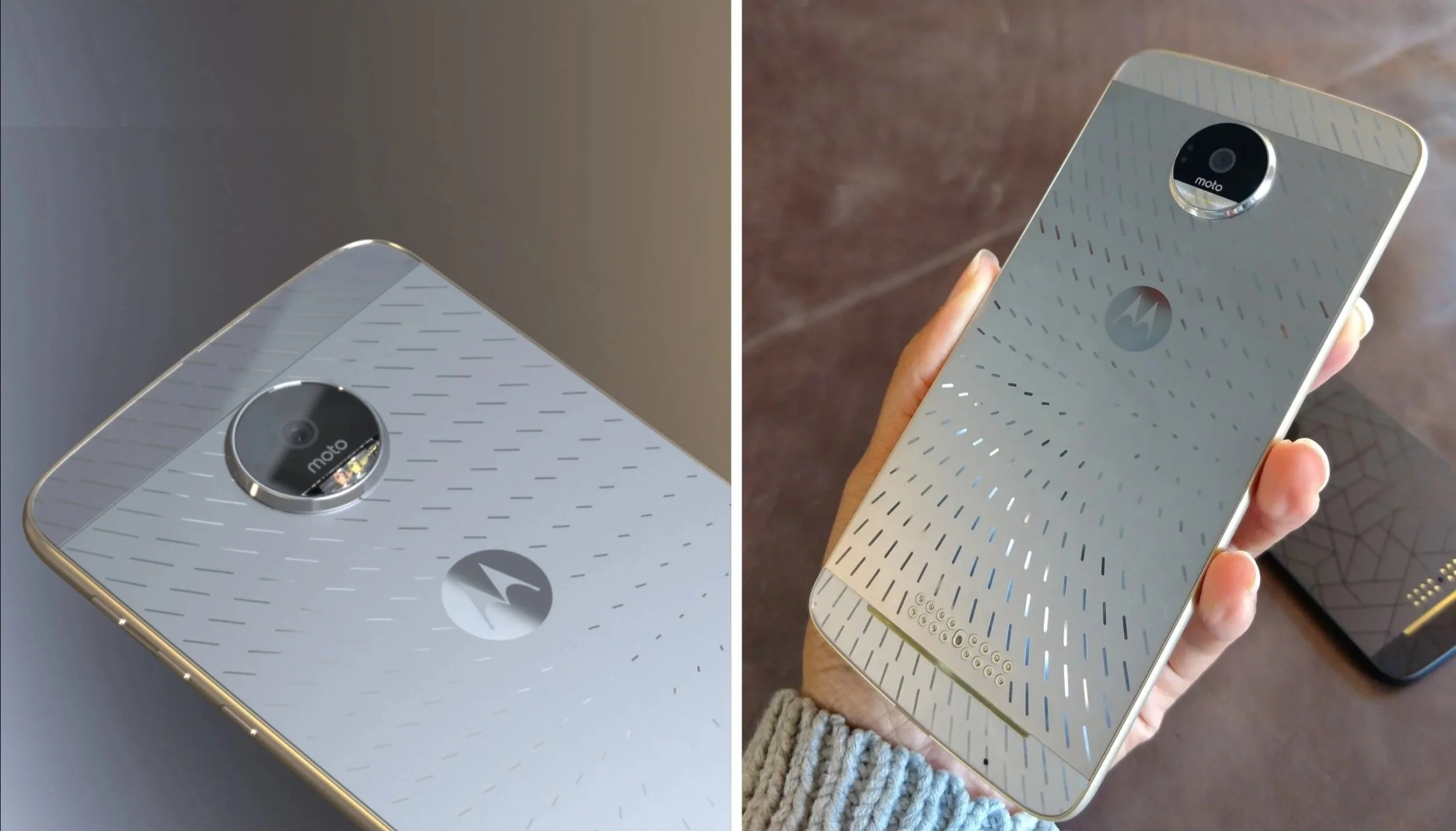
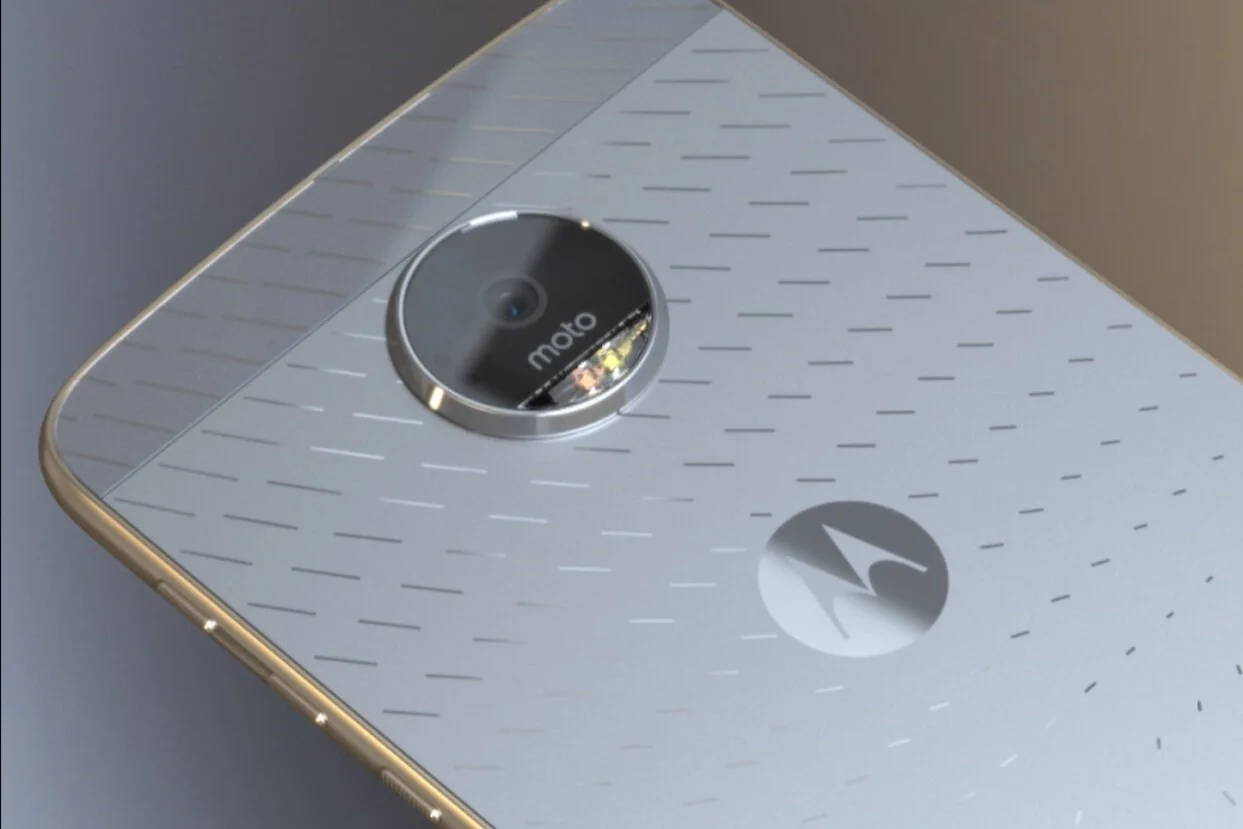
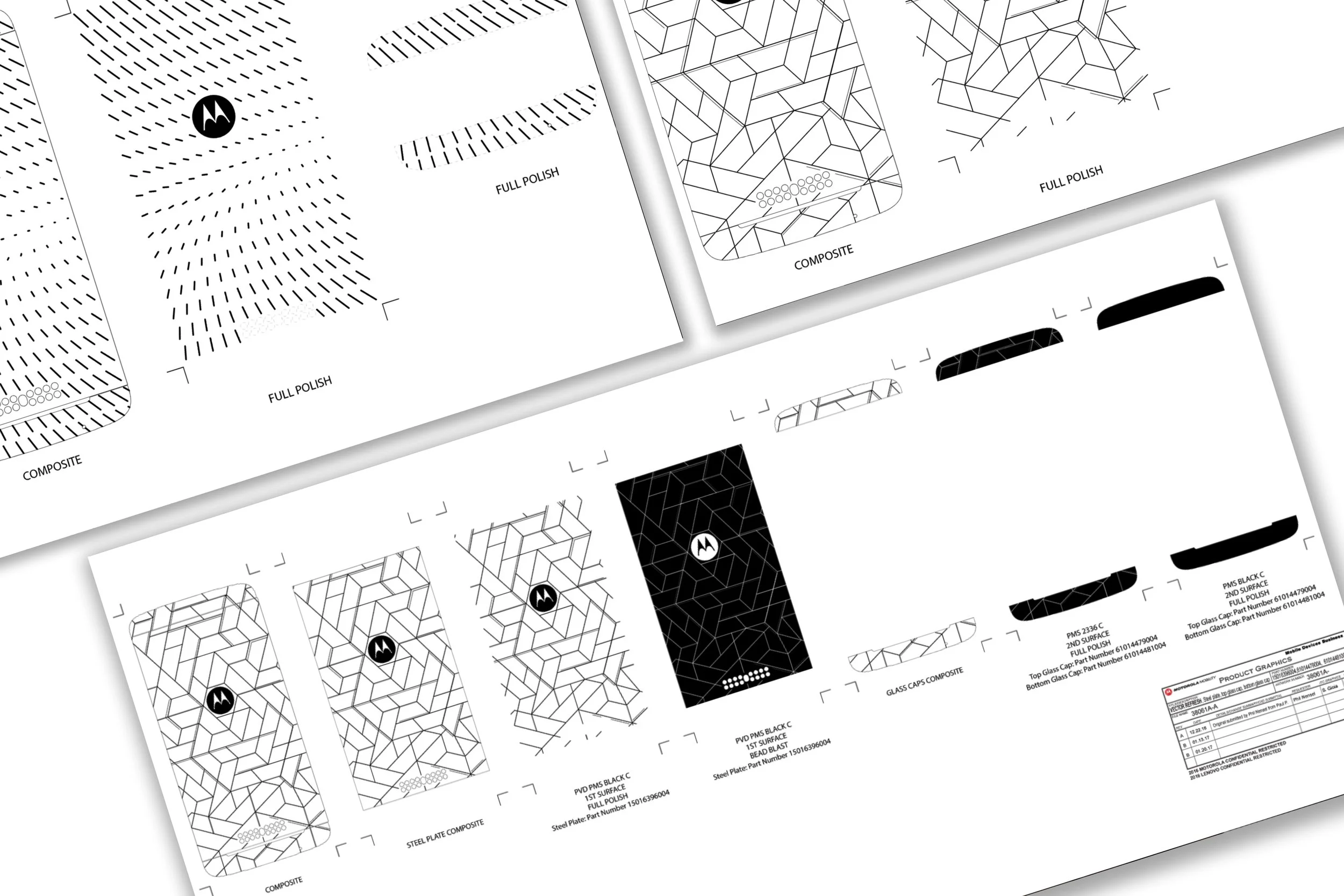
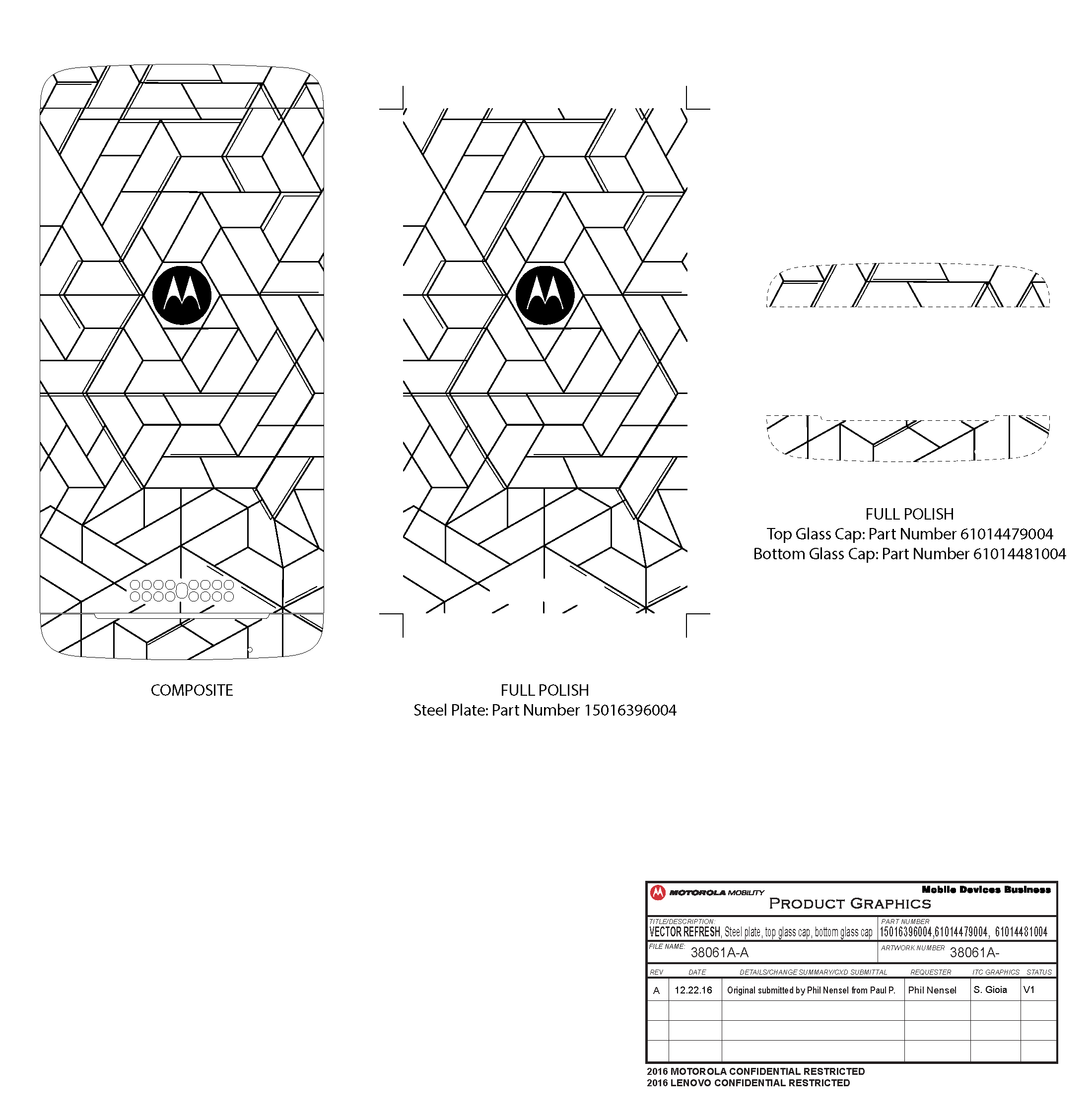
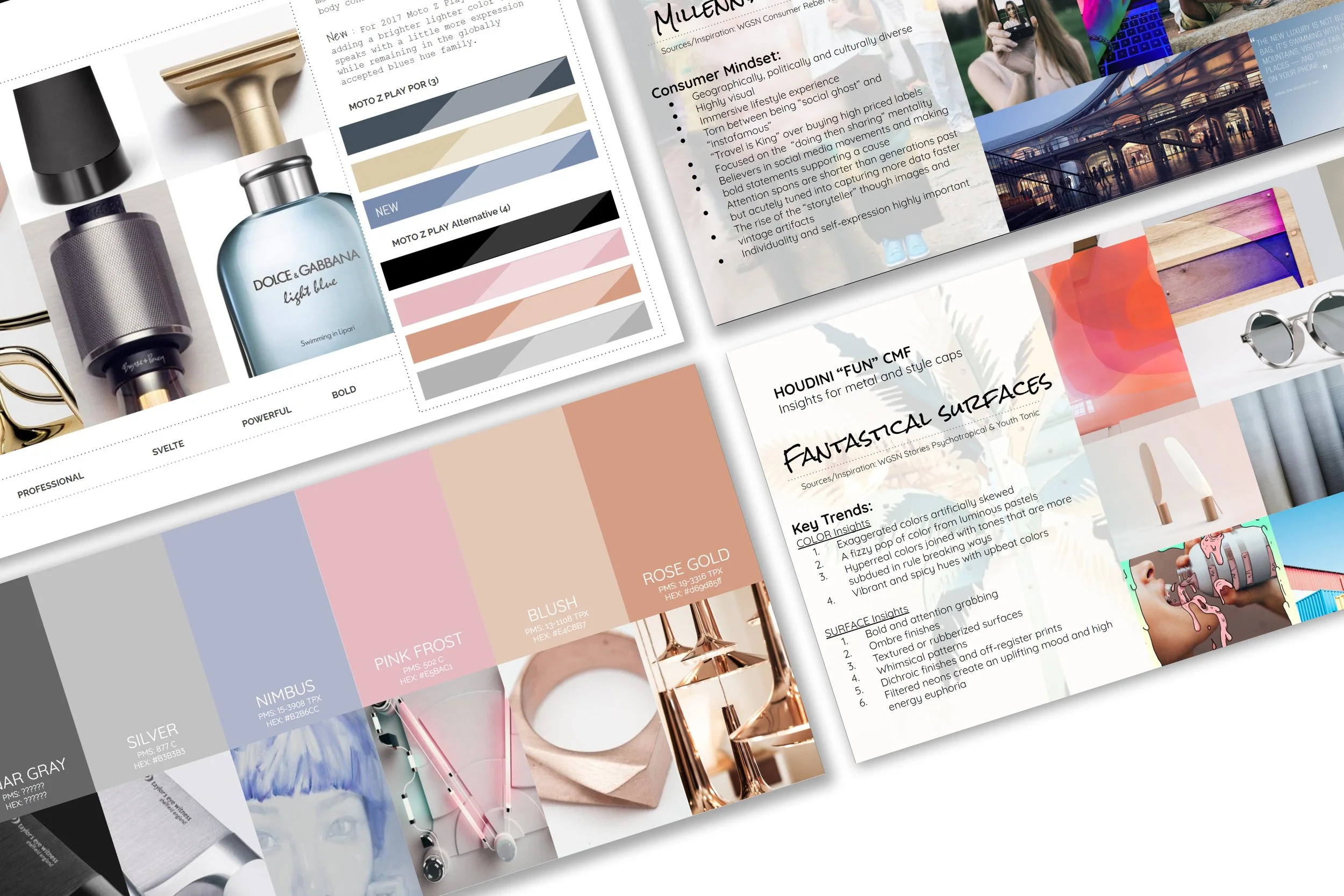
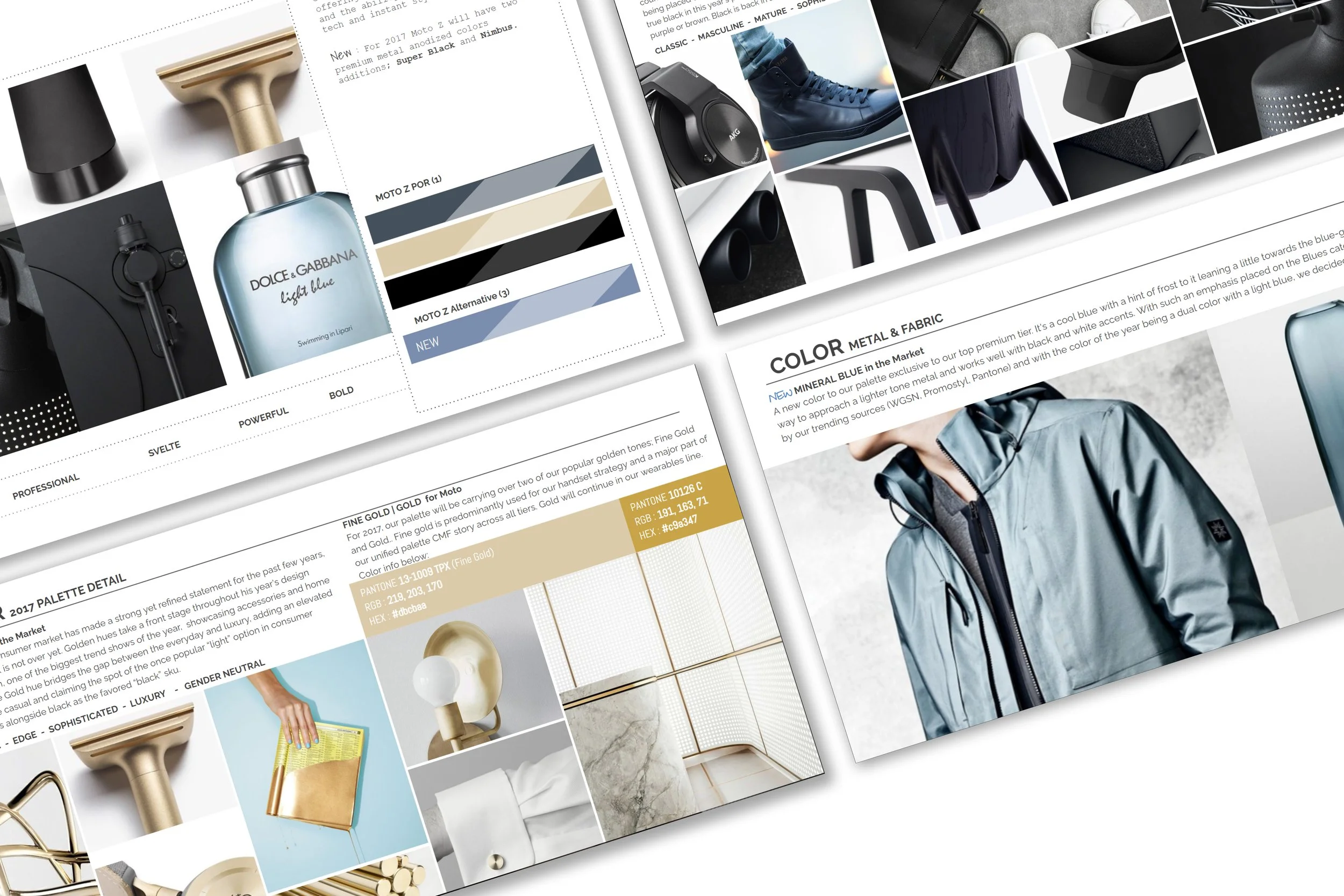
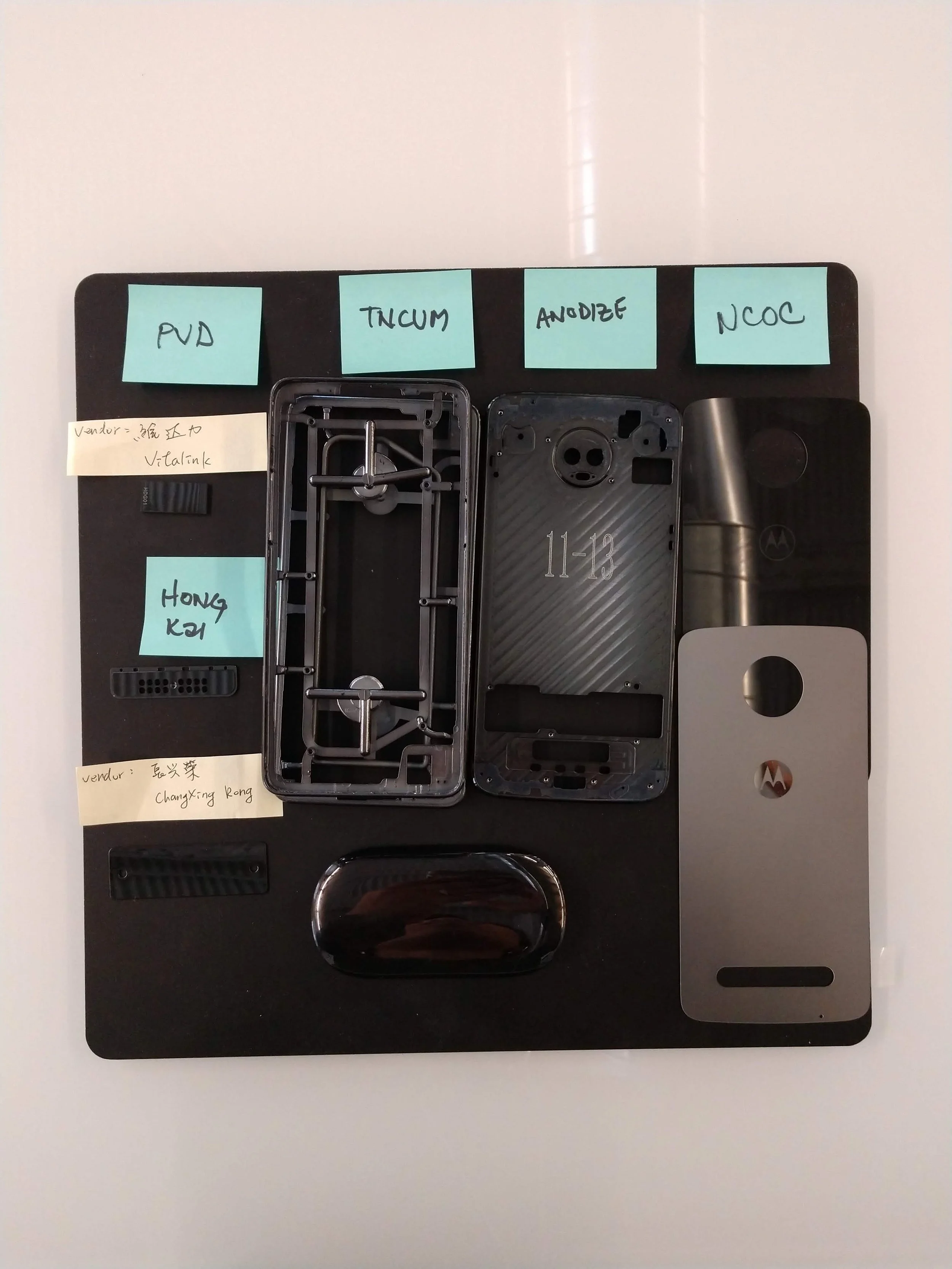
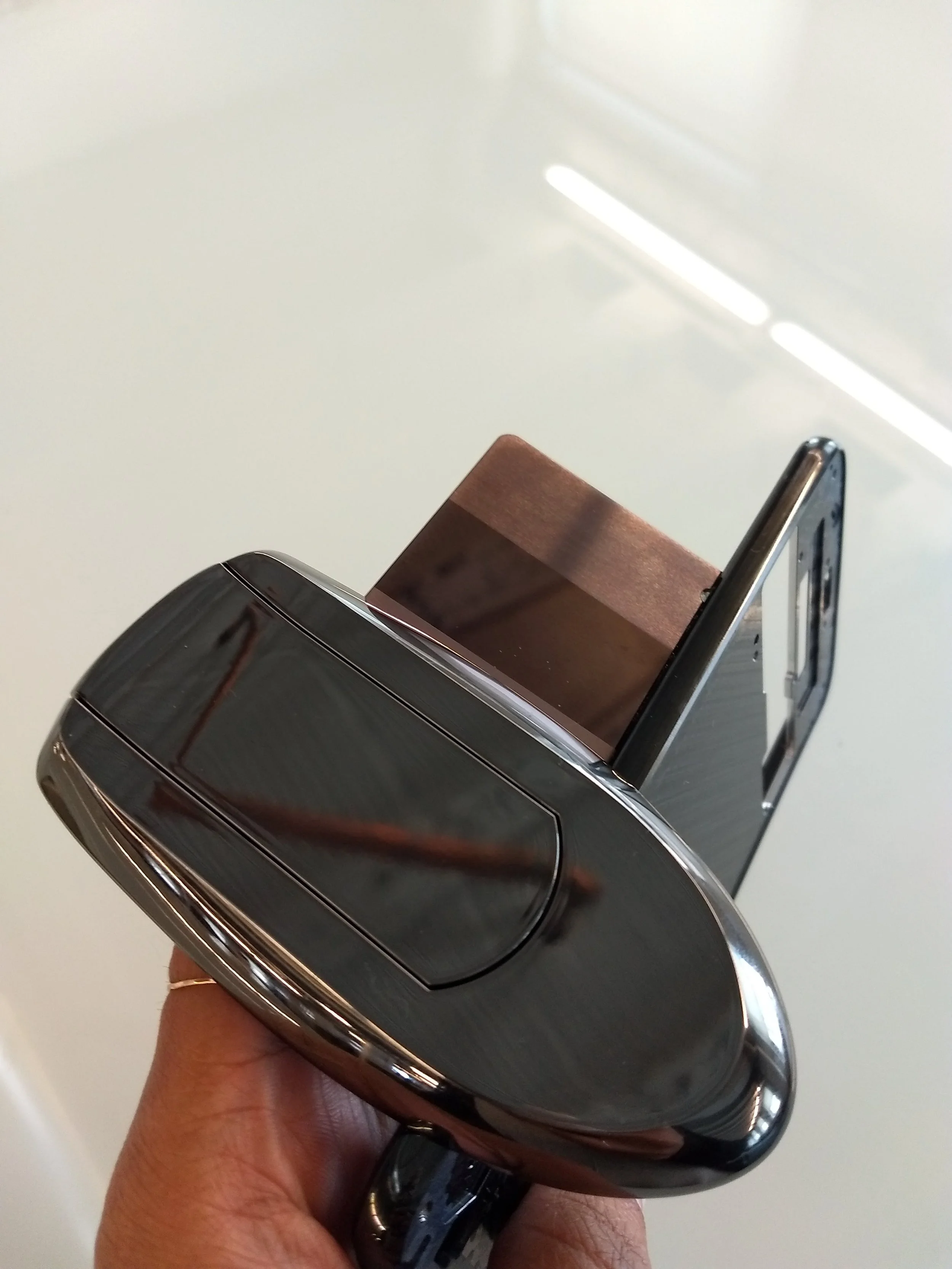
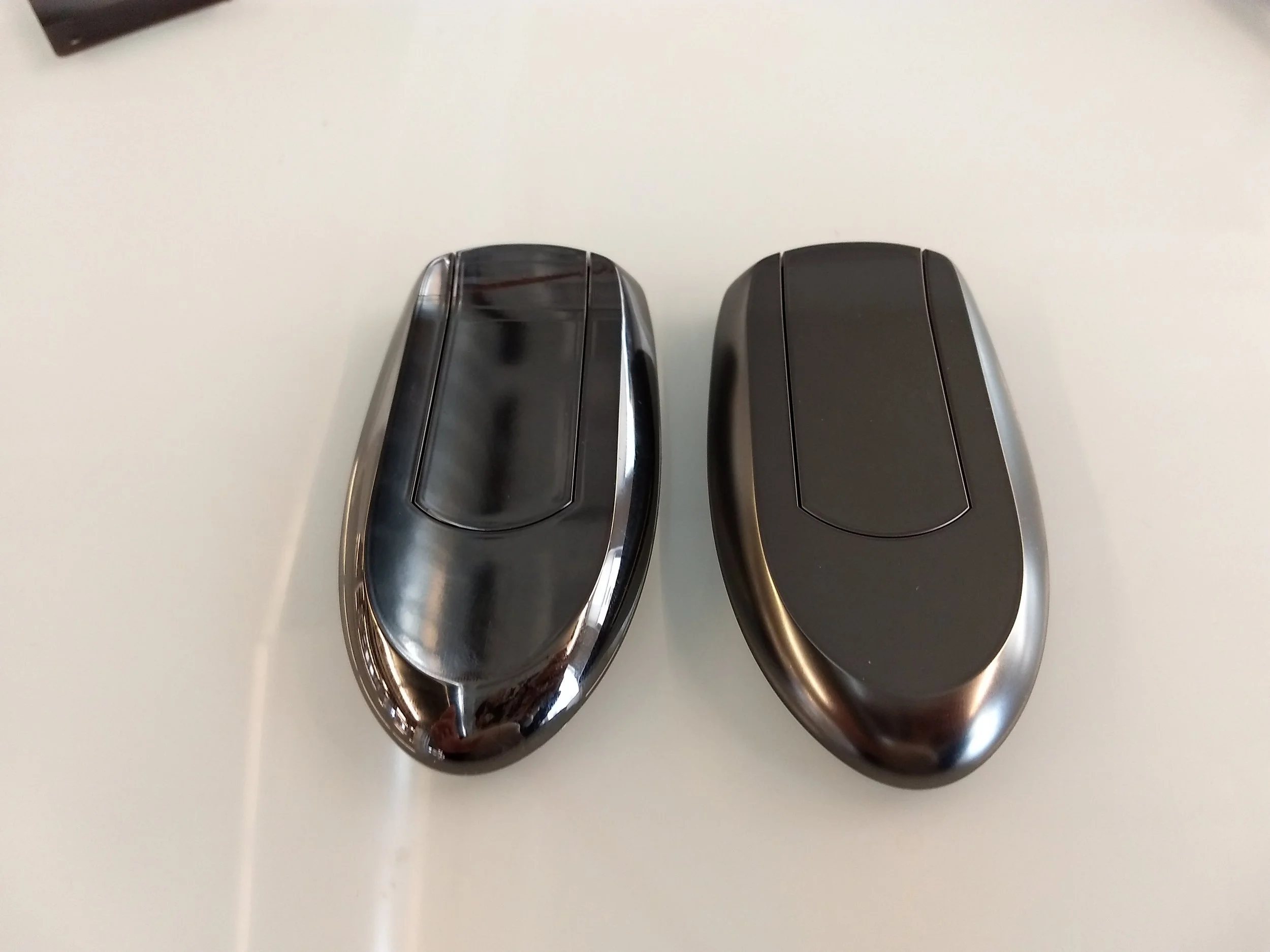
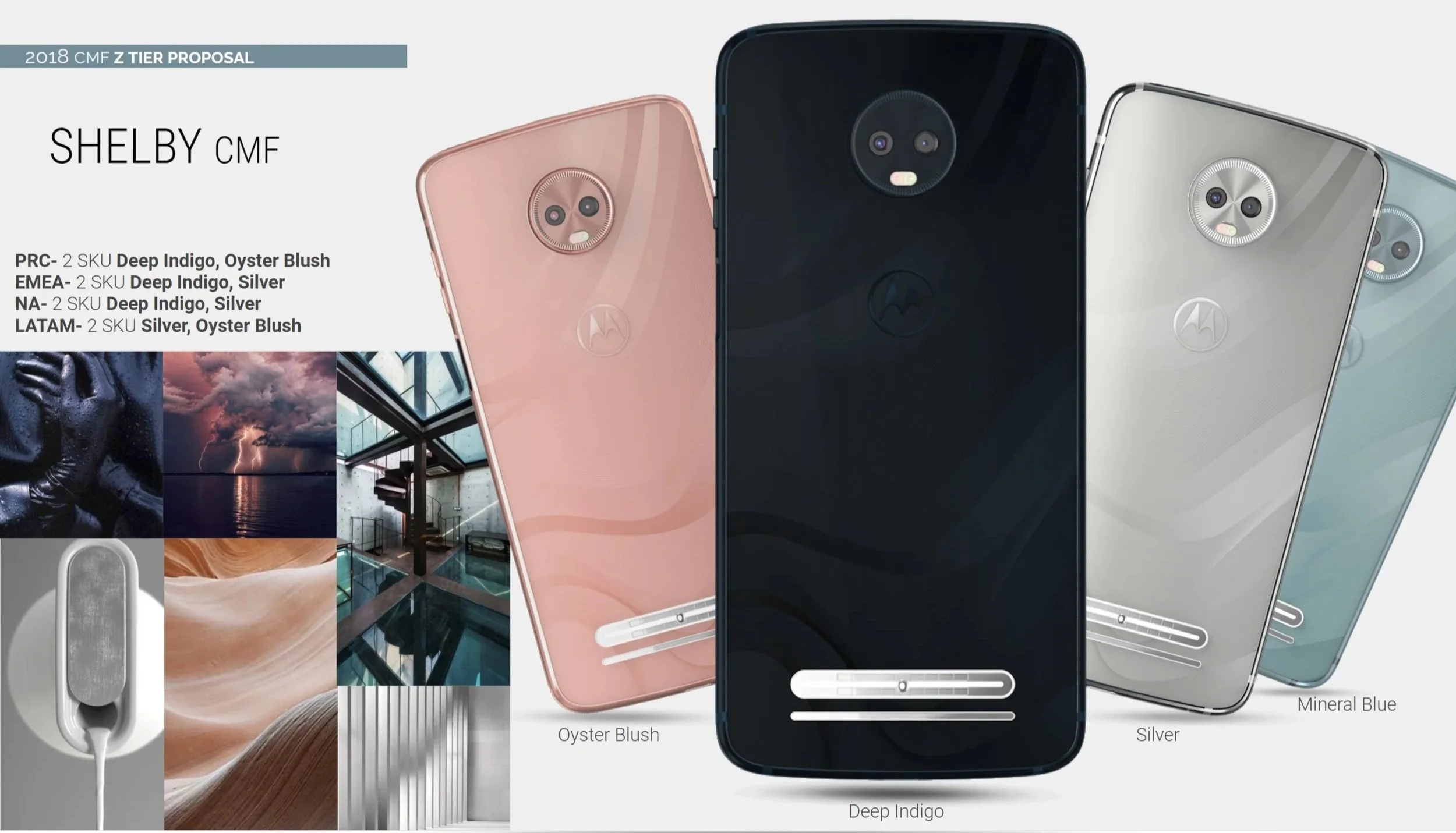
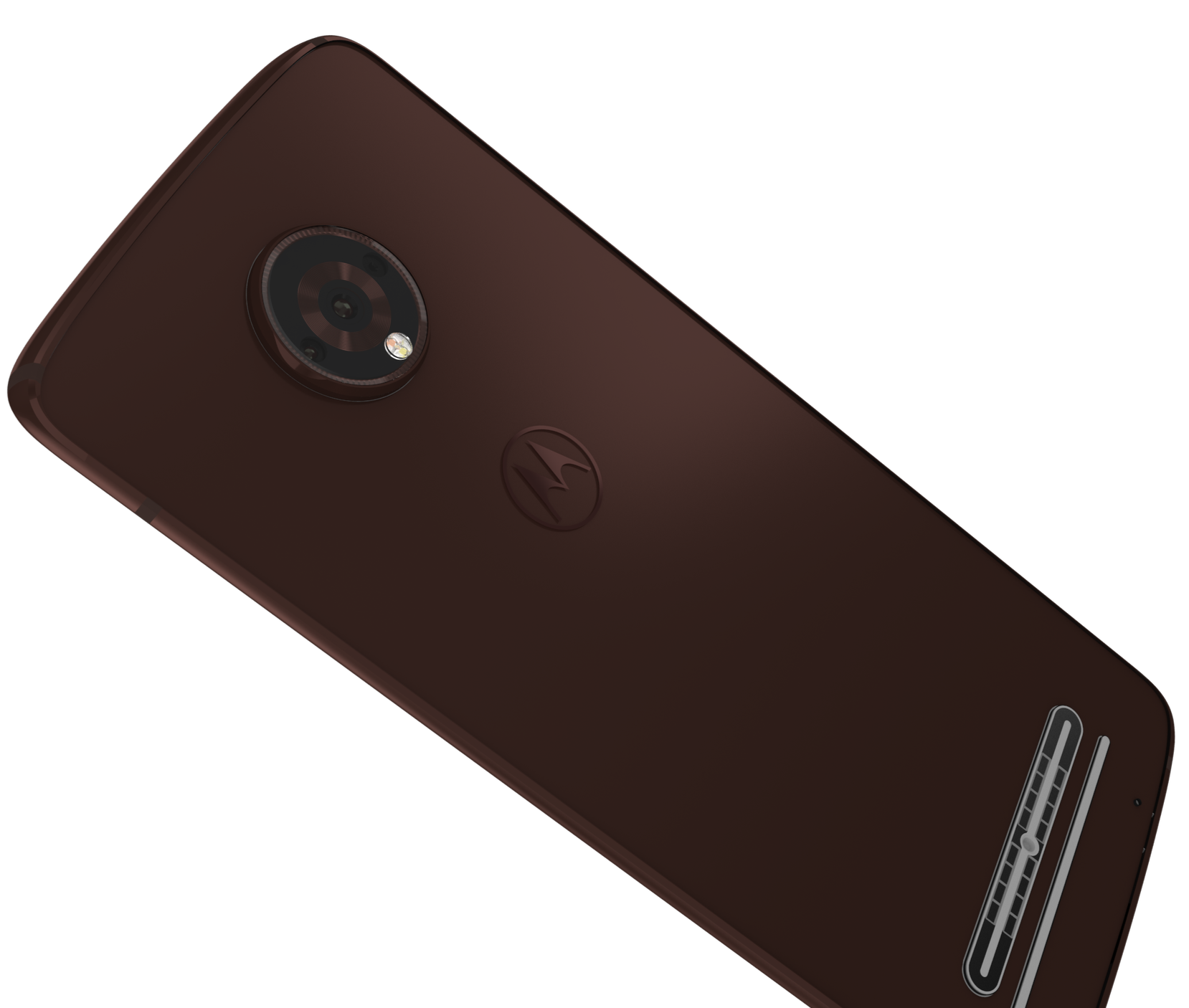
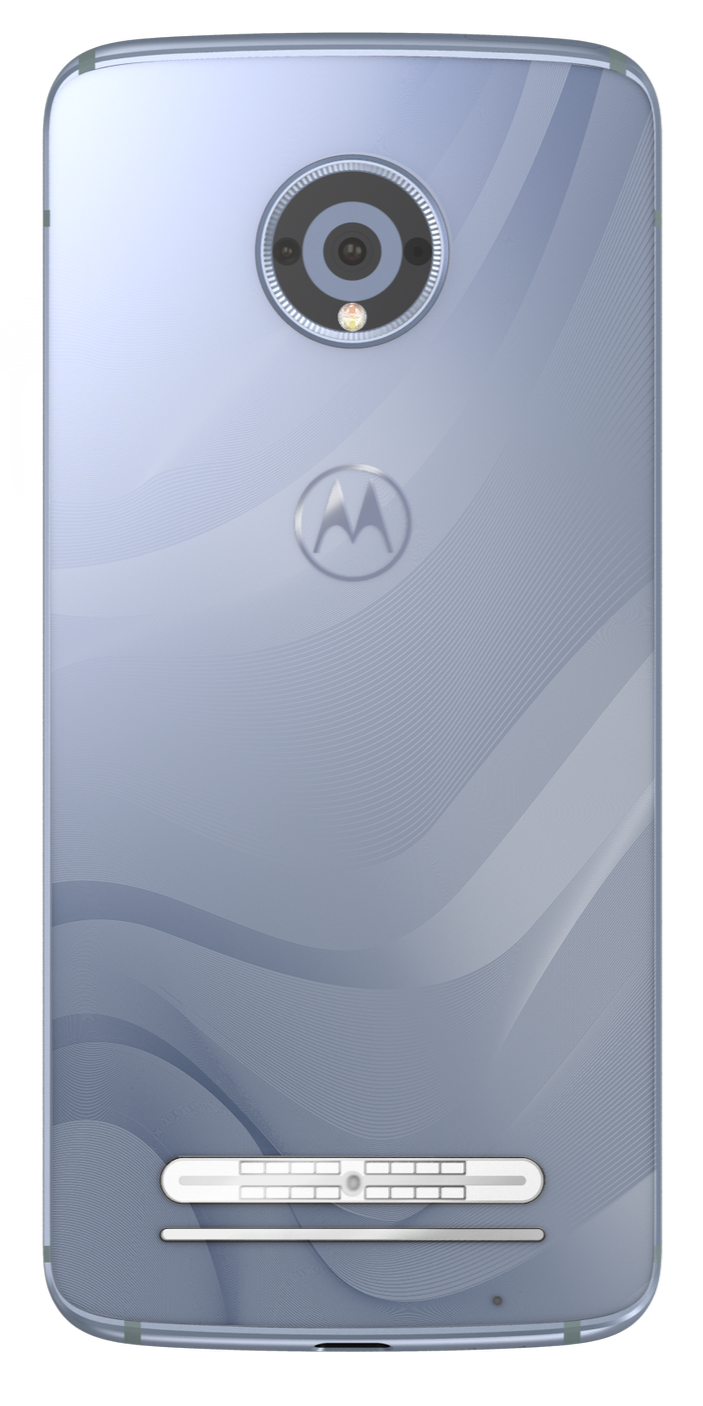
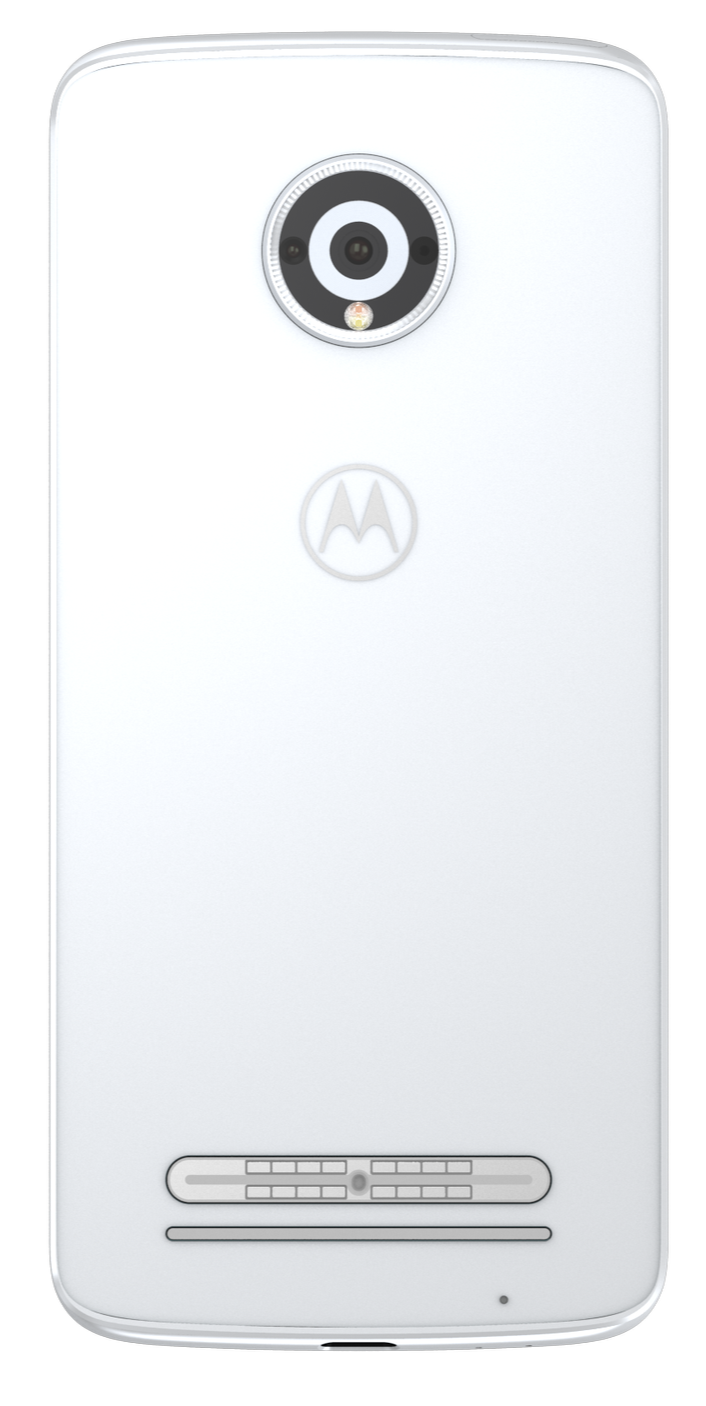
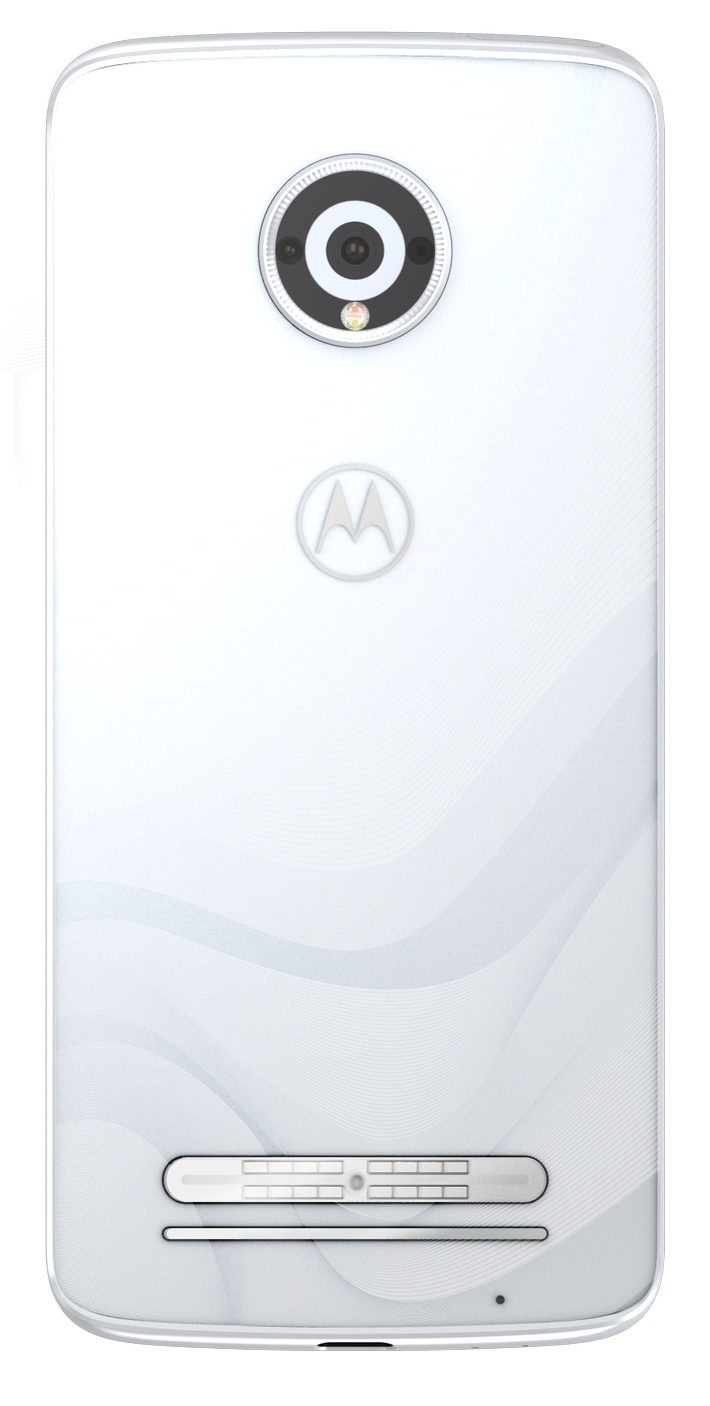
Exploration focused on how color and pattern could introduce expression without compromising modularity or cohesion. For Moto Z, color studies established the platform palette, guiding subsequent pattern exploration, which added depth, reflectivity, and tactile interest while remaining aligned with system principles.
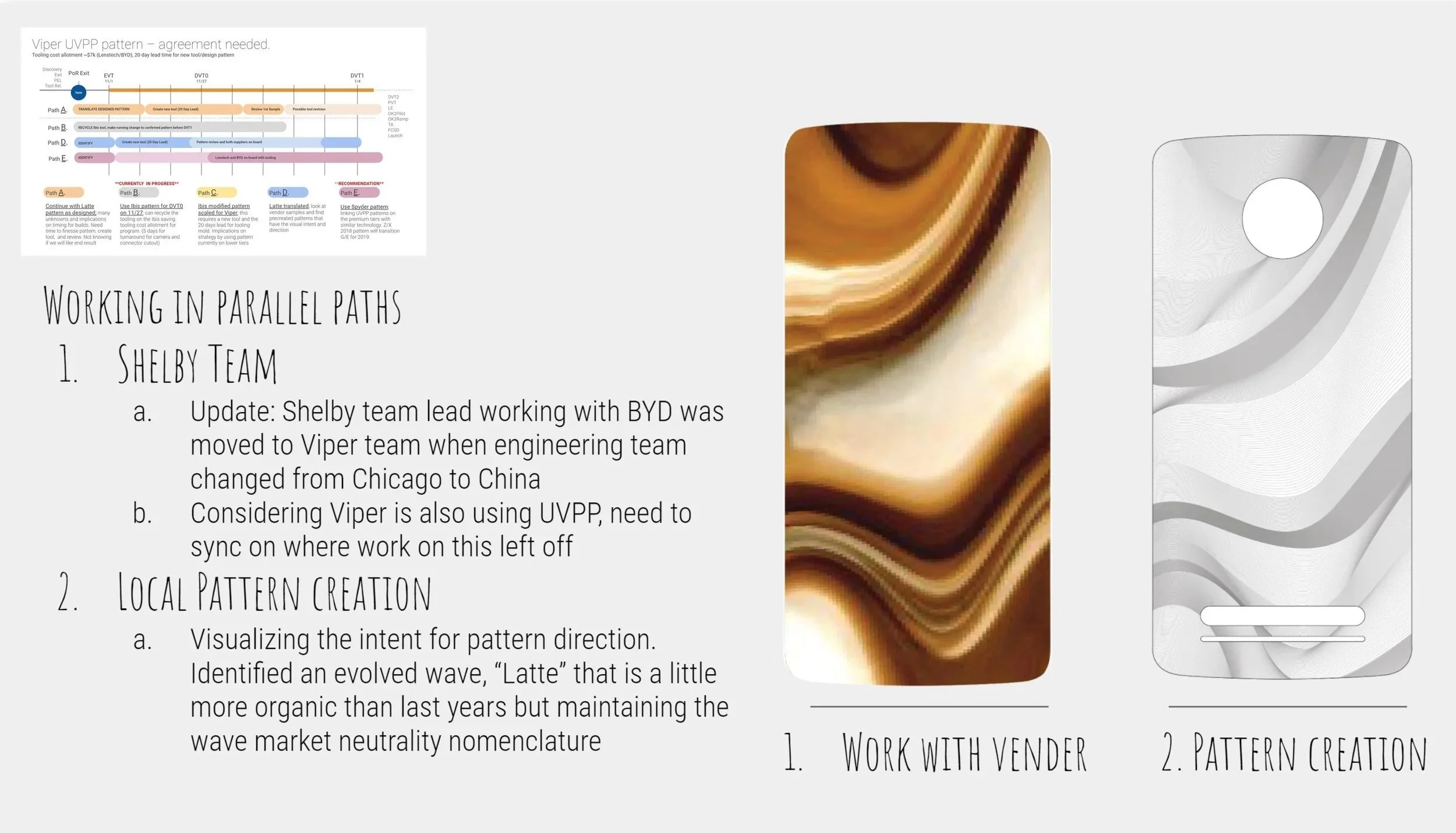
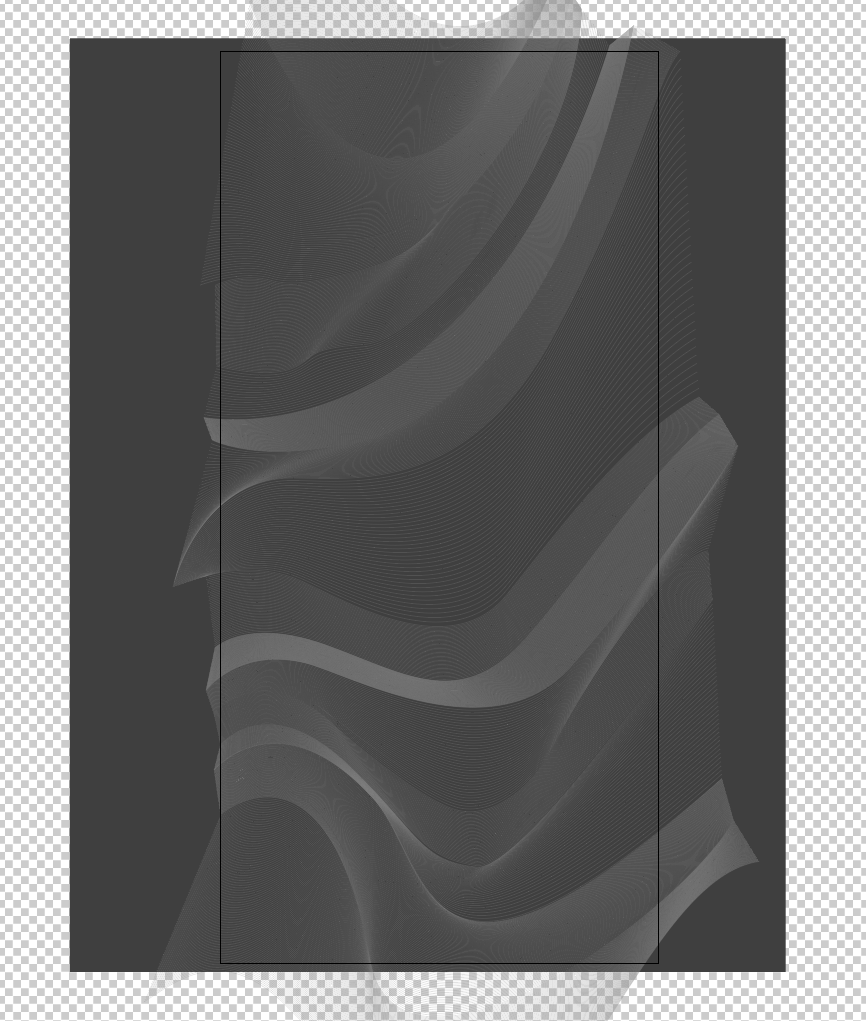
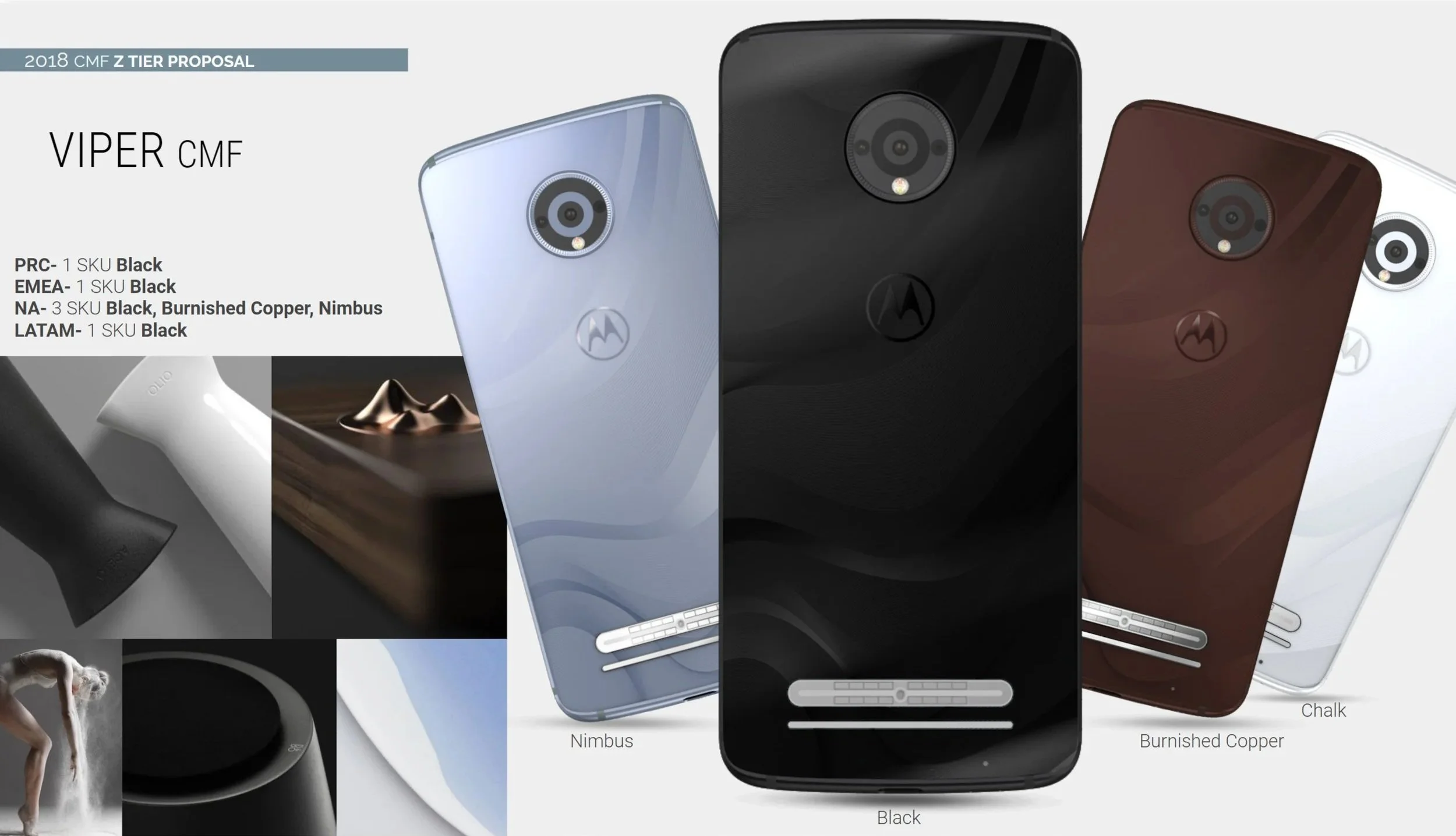
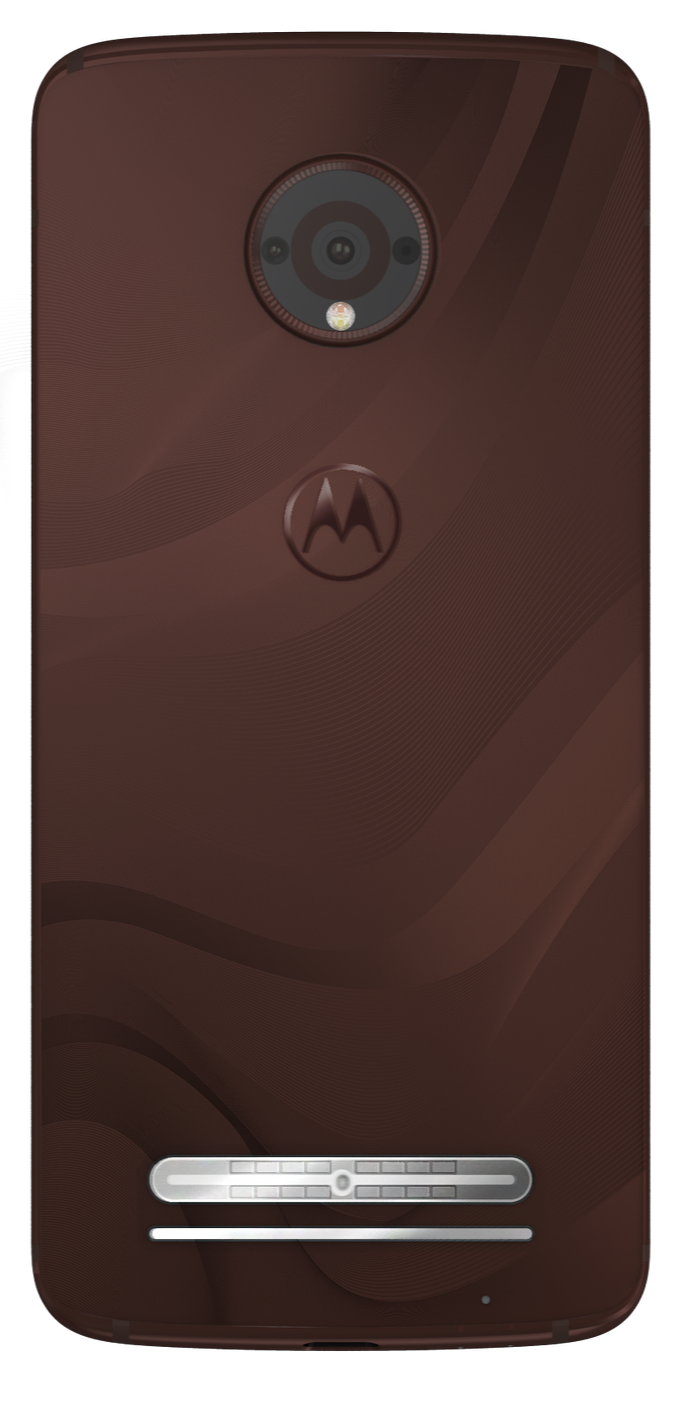
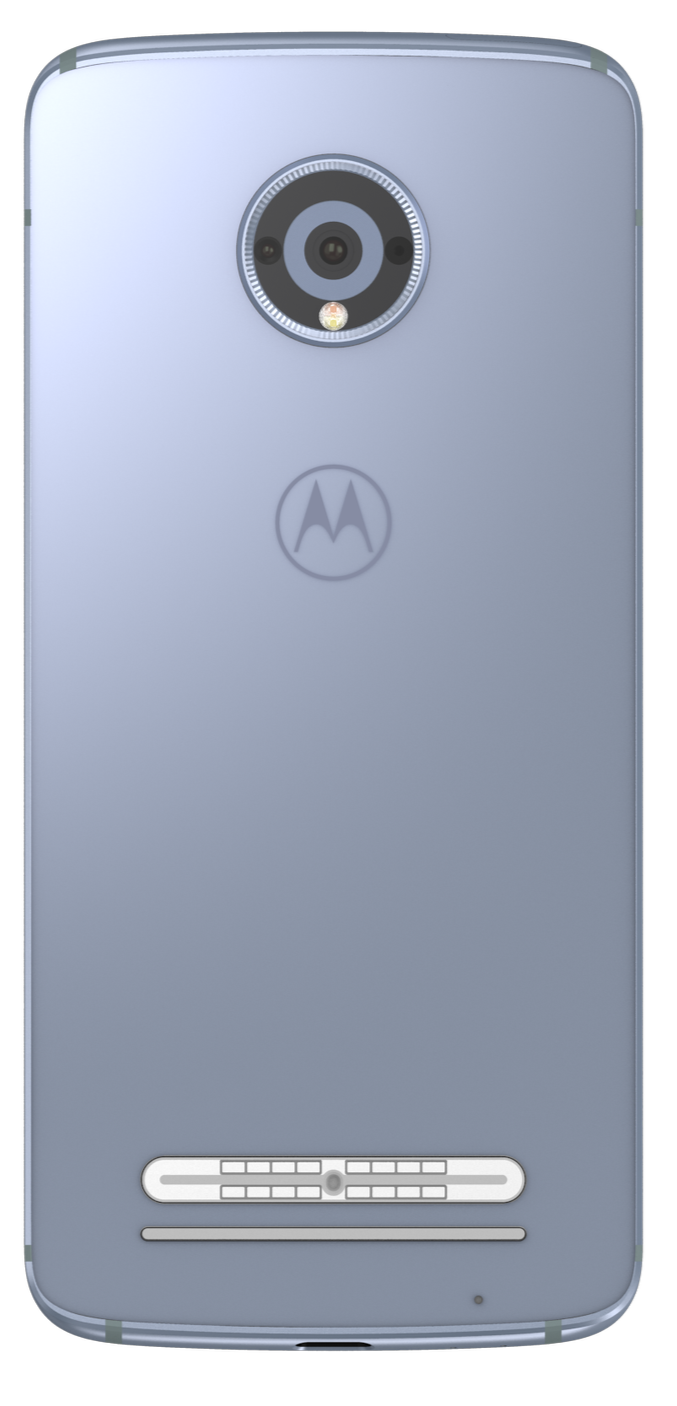
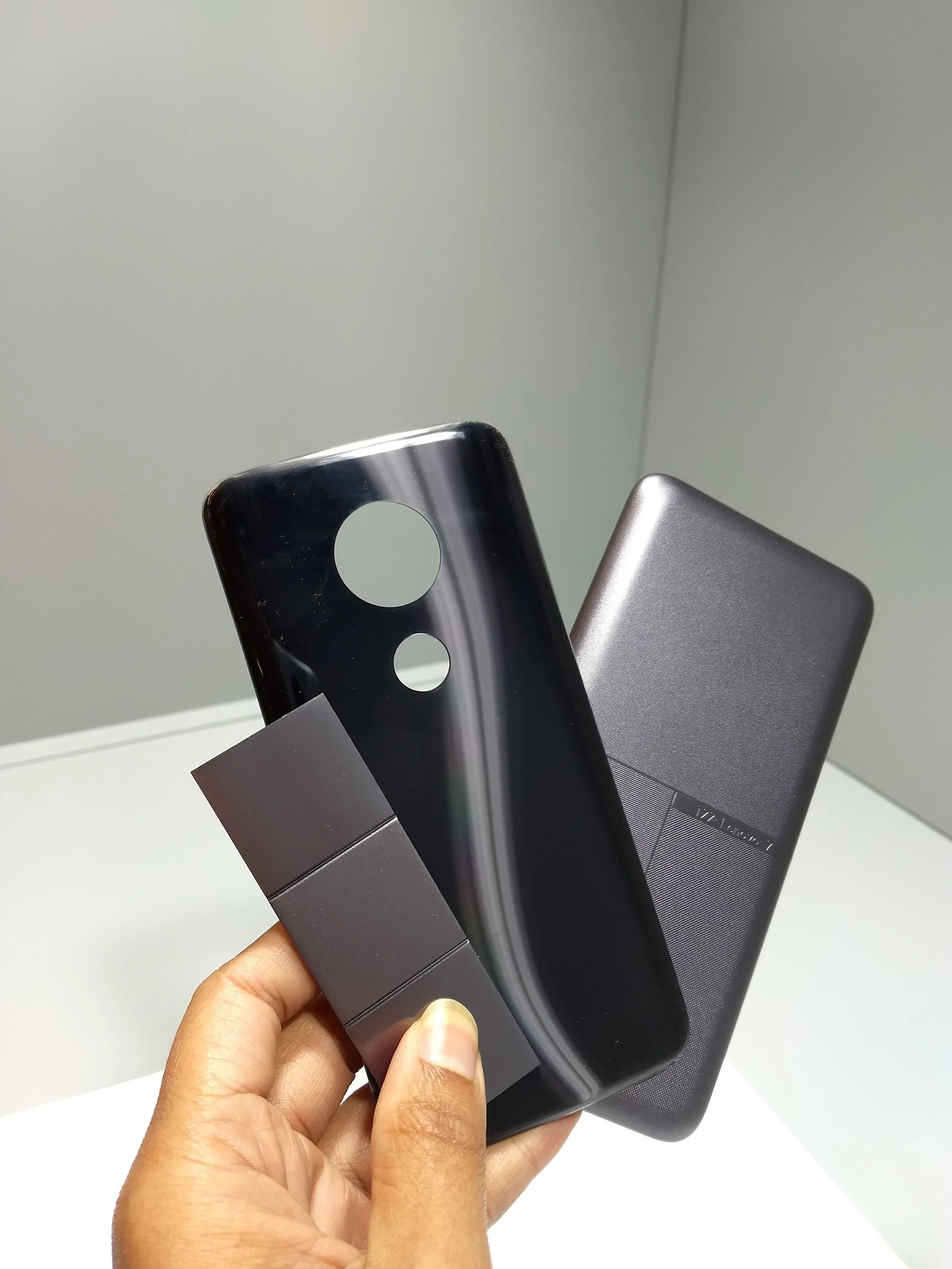
As the platform evolved, the same pattern logic was translated to UVPP glass on Moto Z4, adapting surface expression to a new material while preserving continuity with the established CMF system.
Moto Z — Color + Pattern Exploration
Metal pattern studies exploring depth, reflectivity, and wear within the Moto Z system.
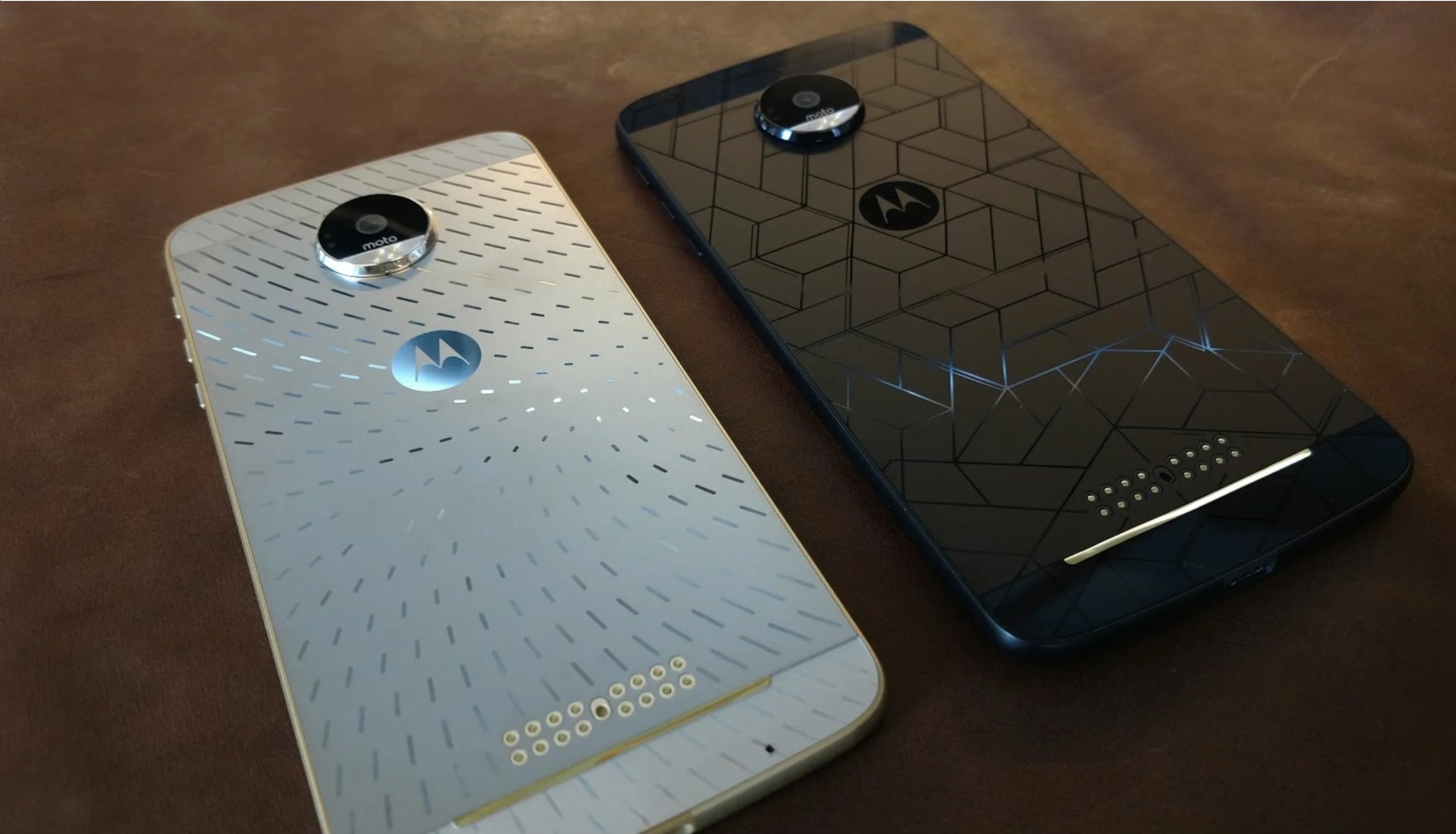
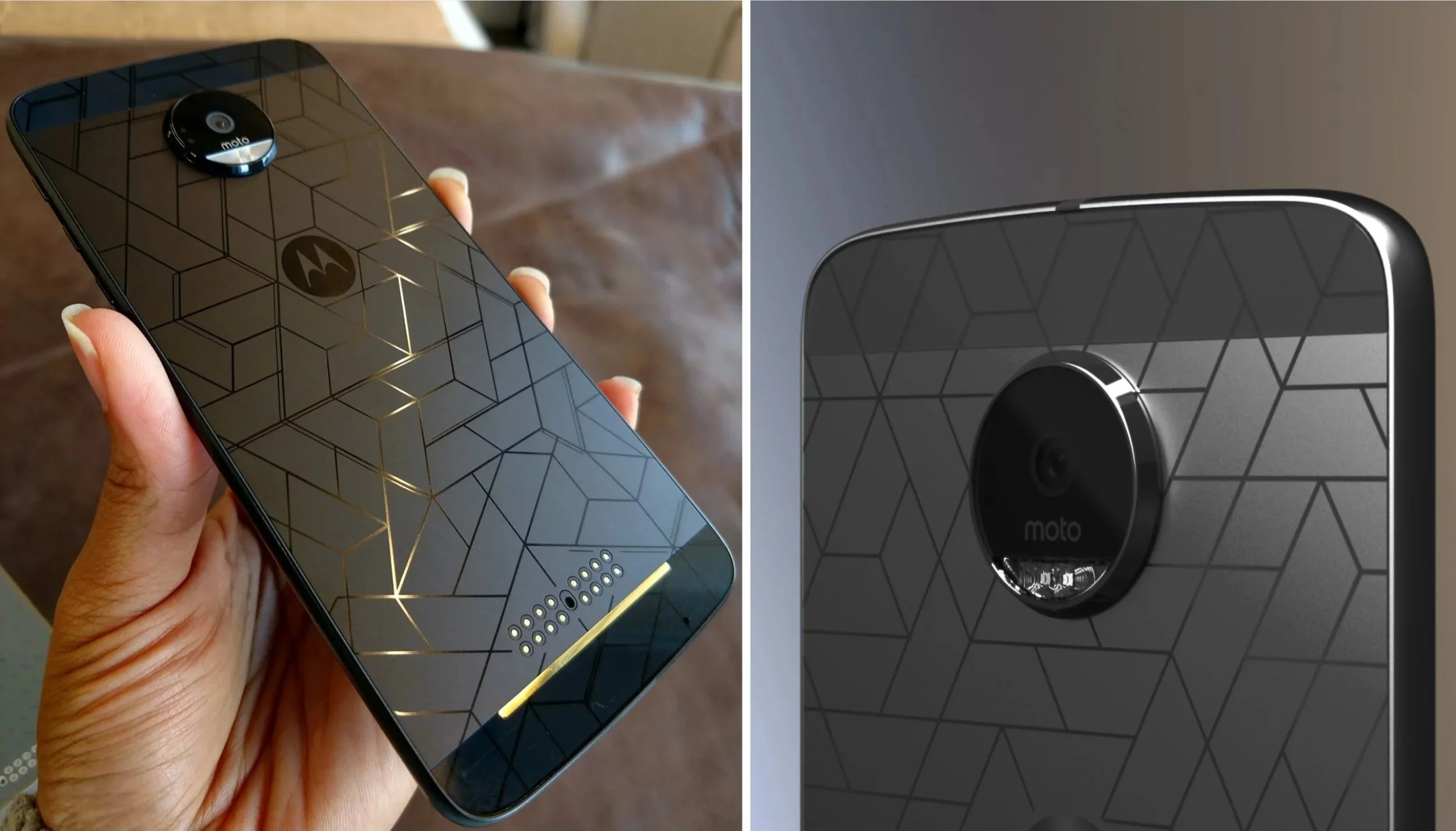
Moto Z4 — UVPP Glass Pattern Exploration
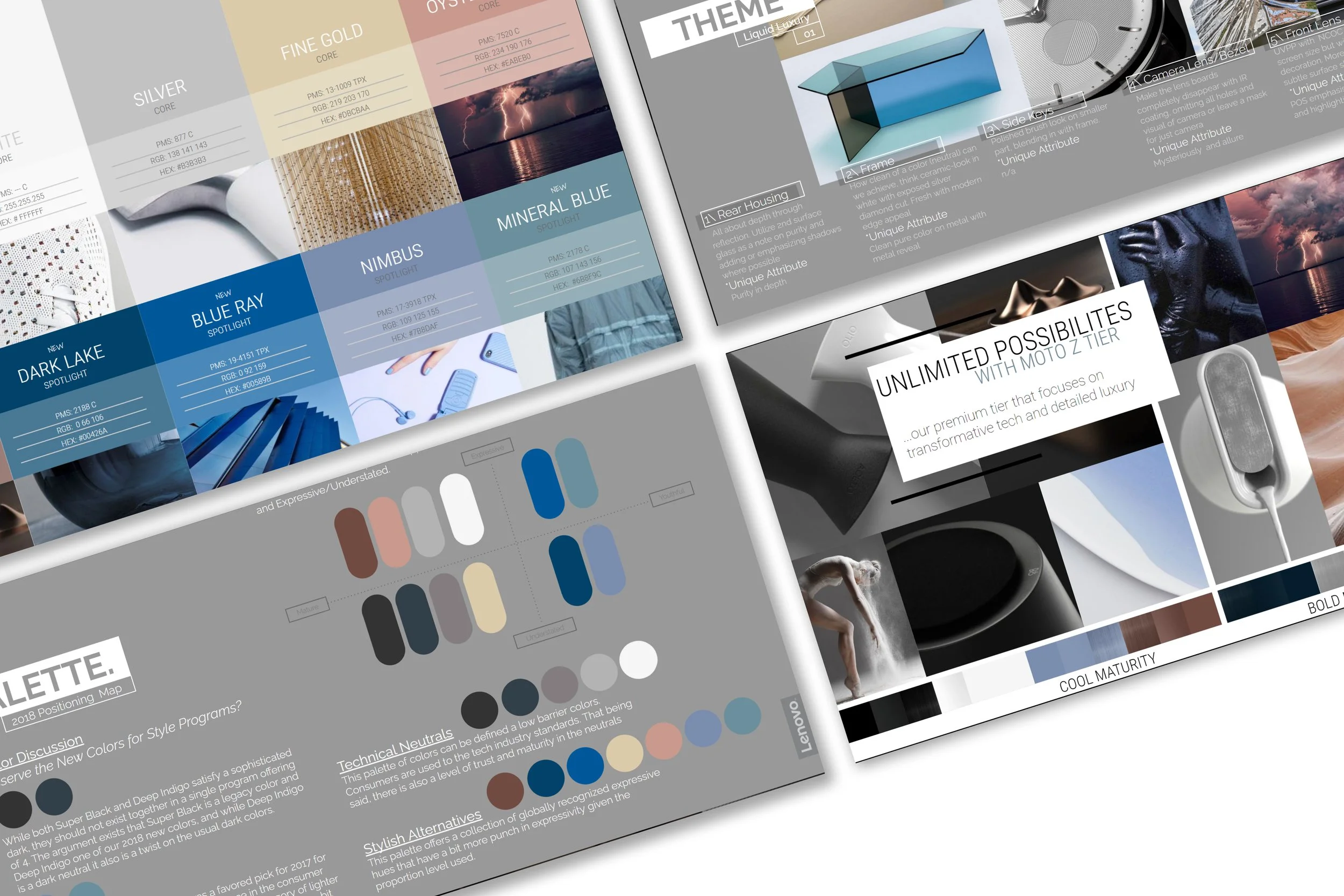
Pattern translation on UVPP glass, adapting surface logic to a new material

Evolution Across Generations
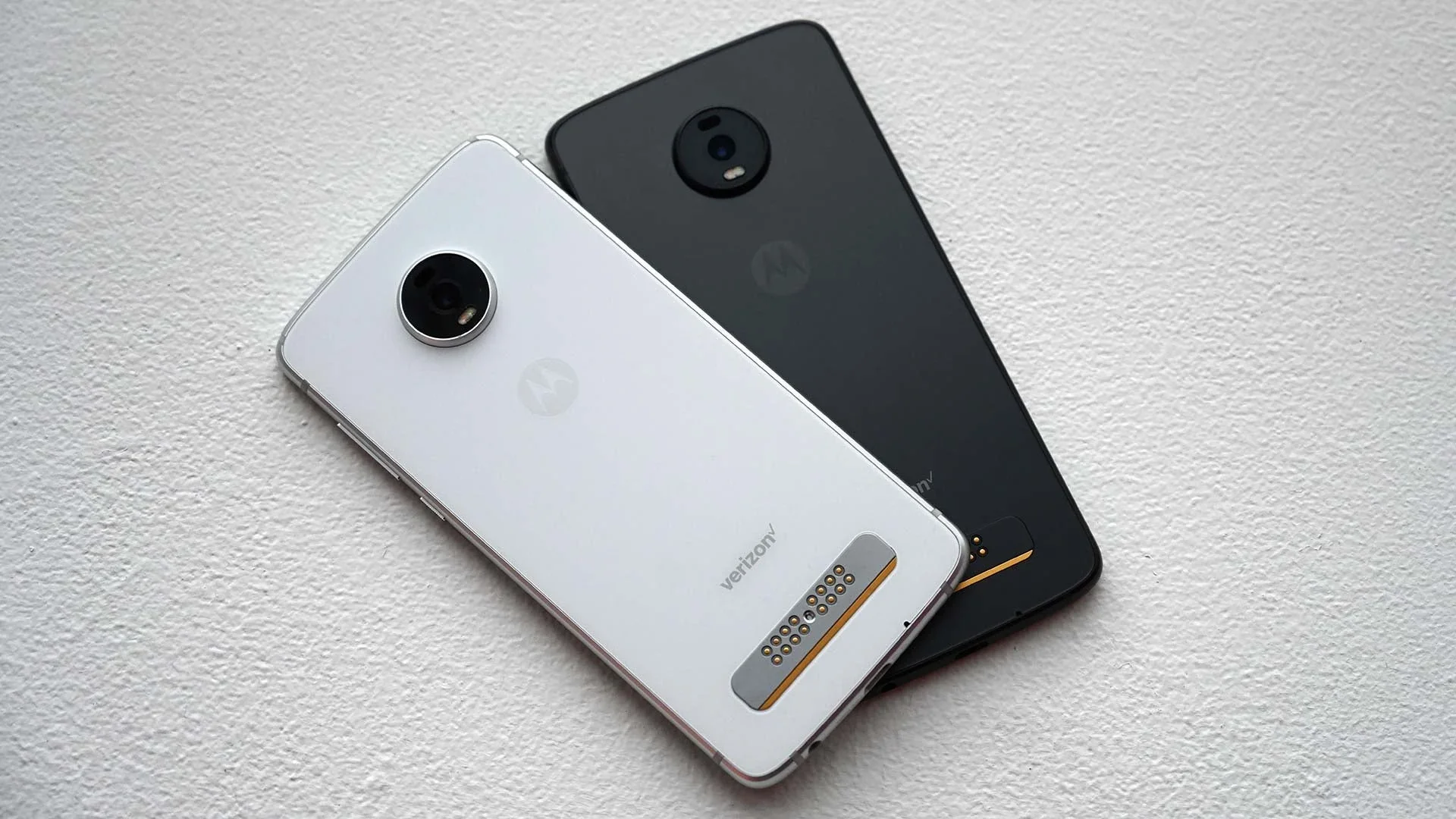
From Moto Z through Z4, the CMF language was refined rather than reinvented. Each generation introduced incremental updates—improving durability, tactility, and perceived quality—while preserving the recognizable identity of the platform. This consistency allowed users to experience progression without fragmentation, reinforcing trust in the franchise and longevity in the design.
Special Editions as Strategy
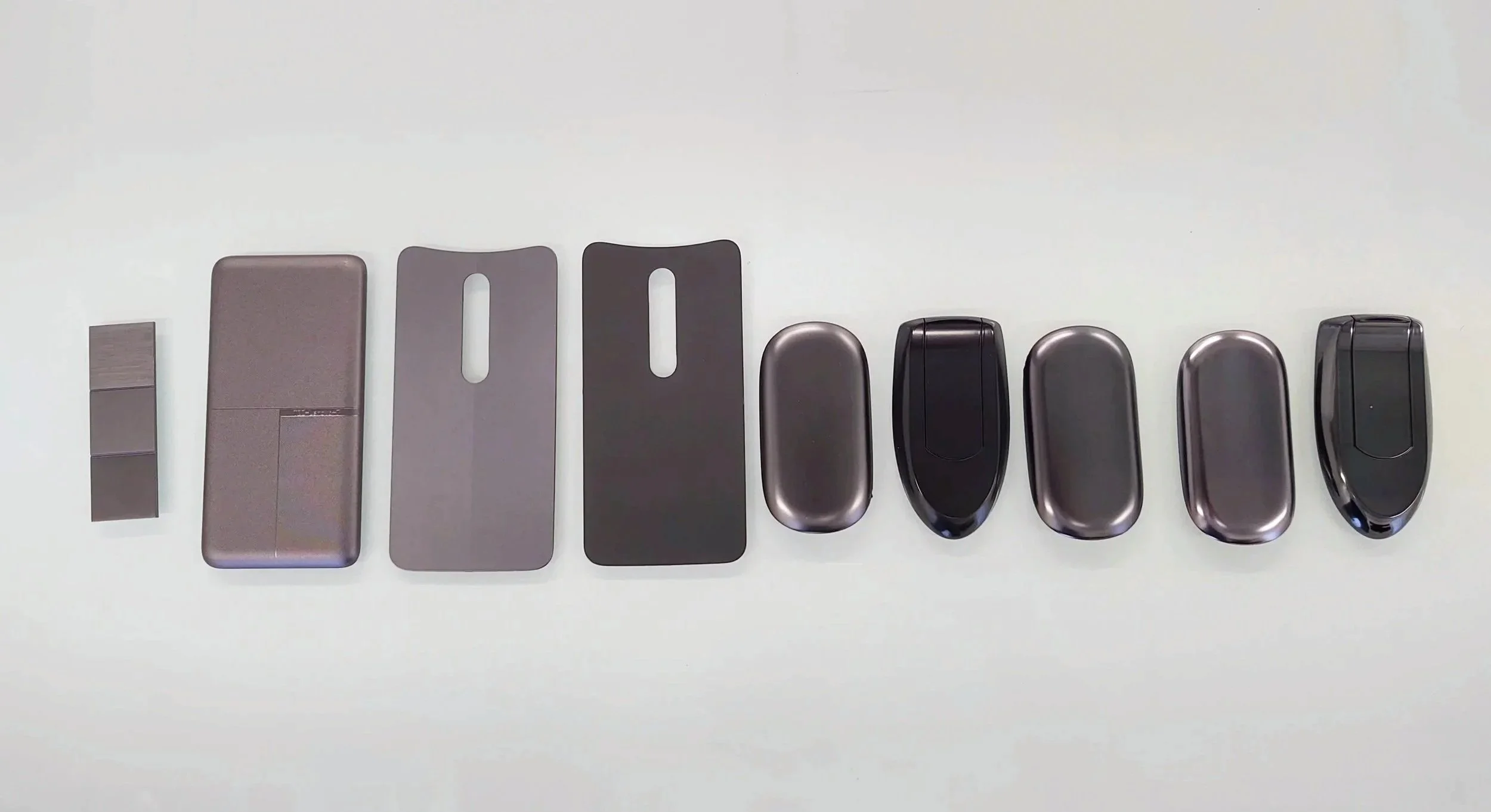
Special Edition refreshes functioned as intentional moments of expression within the system. Rather than decorative departures, they acted as controlled experiments—introducing new materials, colors, and patterns while remaining fully compatible with existing tooling and Moto Mods.
These refreshes extended the platform’s cultural relevance and validated the flexibility of the CMF framework, proving that a strong system could support both consistency and timely evolution.
The Moto Z franchise established a durable, adaptable CMF system that supported four generations of hardware and an expanding modular ecosystem. The platform maintained a cohesive, premium identity while allowing for meaningful evolution and expression over time—demonstrating how CMF can enable longevity in fast-moving product categories.
Outcome
Reflection
The most resilient designs are those built to change.
Designing across the Moto Z franchise reinforced the value of systems over moments. By investing in a CMF foundation that balanced exploration with restraint, the platform was able to evolve thoughtfully—supporting innovation, modularity, and relevance without constant reinvention. It underscored that the most resilient design languages are those built to change.